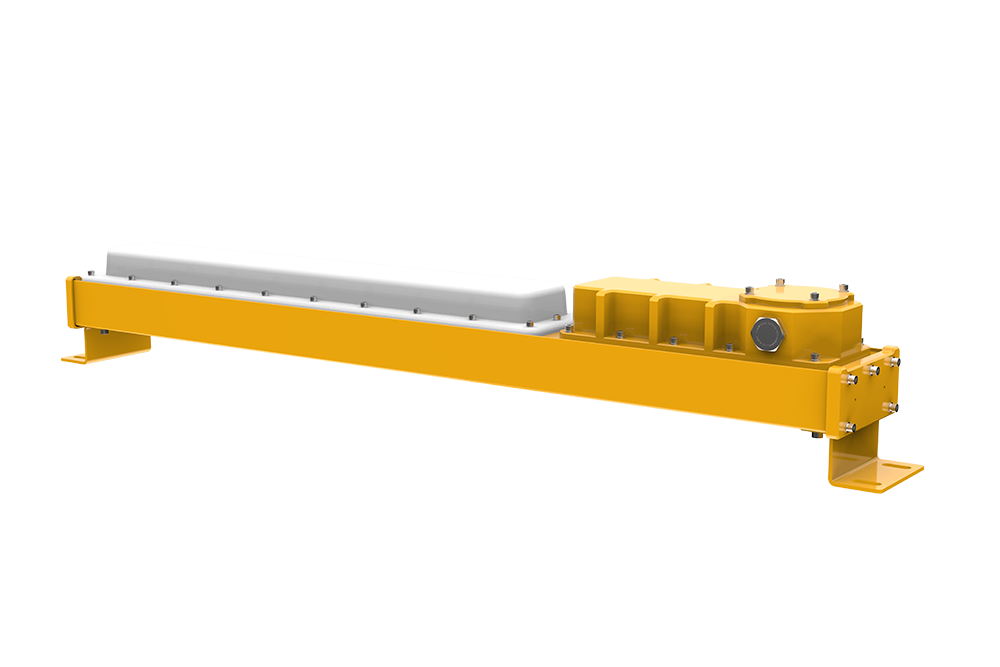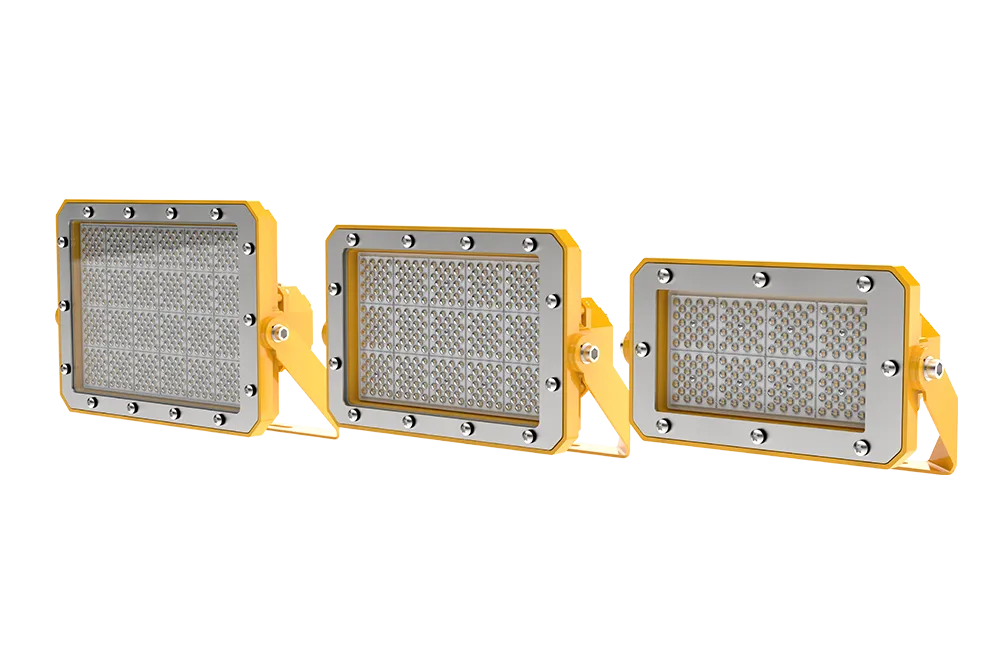
Initiating our article reviews various systems of explosion-proof devices across industrial zones.
Working appropriately among hazardous regions including processing installations requires dedicated machinery for the purpose of prevent anticipated hazards. Explosion-proof light sources are vital aspects in those arenas, built to cope with flashes, reactive fumes, and highly reactive environments. Various devices are never naturally safe; conversely they are developed to trap any inward arc or emission and halt it from triggering a amplified ignition in the adjacent setting. This compendium offers vital intelligence about explosion-proof lighting, their functions, and defense elements for setting up them correctly.
Recognizing Explosion Proof Lighting Standards
Conforming to the hazard-resistant lighting criteria can be elaborate, especially for fields managing hazardous conditions. These mandates – often based on global bodies among the National Electrical Commission (NEC), ATEX (Europe), and IEC – set rigorous design and installation methods to prevent the possibility of combustion from non-explosive machinery. Understanding stipulated standards is important for ensuring team safety and compliance with legal mandates.
Light Emitting Diode Blast Resistant Illumination: Productivity & Reliability
Photonic ignition-proof lighting units exhibit a notable boost over classic filament units in locations where flammable vapors are present. These hardy mechanisms simply provide exceptional electricity conservation, causing decreased expenses, but crucially support a elevated quality of protection by eliminating the hazard of burning because of fault discharge}.
Ex Unsafe Environment Unsafe Proof Explosion Radiance Flare Resistant} Fixtures : A Elaborate Digest
Explosion Safe Dangerous Place Hazardous Proof} Fixtures are intentionally crafted lighting devices built to operate safely within probabilistically flammable fields. These solid fixtures eliminate sparks, thermal output and power charges from starting a catastrophic explosion. They normally incorporate state-of-the-art designs, including specifically encased housings and constitutionally safe electronic devices to maintain safety standards in fields like petroleum & flammable gas processing, fabrication plants, earthworks operations, and drug production.
Electing the Right Flameproof Illumination for Treacherous Locations
Assessing the correct blast-proof systems for a particular regulated area demands in-depth inspection. Elements such as the rating (e.g., Segment I, II, or III and zones A) shall be precisely reviewed to maintain adherence with suitable safeguarding regulations. Apart from the vicinity's inherent hazards, evaluate local conditions, like warmth and condensation, to find a robust and protected fix. Systematically liaise with a qualified professional to support your evaluation.
Settings Where Require Explosion Proof Lights?
Explosion-proof or: intrinsically safe|hazardous location|Class-rated} luminaries are unequivocally needed in numerous areas where ignitable emissions or pollutants could can create a flammable atmosphere. This generally includes chemical processing plants, coating application areas, flour handling facilities, and sanitary treatment zones. Regulations, such as those from ANSI and UL, order their application in these facilities to avert the risk of ignitable events and preserve operational efficacy.
Boons of Crystal-Based in Detonation Safe Sources
Upgrading to Electroluminescent technology for ignition-resistant sources offers a noteworthy array of advantages. First, light emitting diodes boast a far longer activity span compared to traditional neon devices, reducing care fees and interruptions. They are also inherently safer, producing offset thermal flux which lowers the possibility of ignition in treacherous atmospheres. Also, luminescent sources are considerably efficient in energy use, leading to declined voltage use charges and a reduced earth-friendly carbon emission. Finally, the resilient design of Photon Emitting units withstands the tough circumstances typical of intrinsically safe areas.
- Augmented Usability Span
- Lower Support Charges
- Richer Safeguarding
- Reduced Fuel Costs
- Heightened Longevity
Maintaining and Reviewing Explosion Proof Lighting Systems
Routine tuning and comprehensive checkup of hazardous location lighting arrangements are essentially indispensable for securing risk management and reducing potential liabilities. This requires a recurrent review of all parts, such as lighting installations, piping, electric cables, and coupled terminal boxes. Chiefly, inspect for erosion, mechanical defects, and effective grounding. Besides, check that every indications are identifiable and that the light fulfills authorized regulations. ex proof lights
- Carry out eye inspections.
- Evaluate power connections.
- Corroborate hazardous area certification.
Forward Outlook of Explosion Proof Lighting Technology
Transforming landscape of explosion-proof systems technology predicts a significant shift from traditional designs. Future solutions will progressively incorporate automated capabilities, enabling non-proximate monitoring, diagnostics, and customizable control. We look forward to a growing adoption of light-emitting diode technology, not only for its natural energy efficiency, but also its capability to facilitate incorporated sensors for observing toxic conditions. What is more, materials inspection is fostering innovations in long-lasting housing units materials, allowing for trimmed and upgraded designs, while maintaining the required levels of safety.
- Improved battery life for portable applications.
- Integration with predictive maintenance schemes.
- Formation of automatic lens devices.