Beginning such article studies various techniques of intrinsically safe systems across commercial workspaces.
Performing appropriately among hazardous locales including processing sites requires designed tools intended to eliminate anticipated hazards. Hazloc illumination units are fundamental features in related environments, fabricated to withstand flammable particles, combustible emissions, and explosive conditions. Multiple units are not basically safe; alternatively they are produced to enclose any interior electrical fault or ignition and block it from generating a greater combustion in the vicinal environment. This overview furnishes fundamental details about explosion-proof fixtures, their operations, and safety factors for adopting them suitably.
Interpreting Explosion Proof Lighting Standards
Managing specific detonative lighting guidelines can be complex, especially in domains involving hazardous spaces. These requirements – often stemming from global bodies among the National Electrical Commission (NEC), ATEX (Europe), and IEC – enforce rigorous design and installation procedures to reduce the possibility of fires from electronic units. Understanding given standards is imperative for ensuring operator safety and fulfillment with binding commands.
Crystal Explosion Proof Lights: Performance & Security
Light Emitting Diode intrinsically safe luminaires provide a major upgrade over traditional incandescent equipment in settings where reactive chemicals are available. These strong tools also provide exceptional power savings, resulting in declined expenditure, but specifically secure a improved level of defense by stopping the likelihood of explosions due to voltage burst}.
Explosion Rated Risky Location Toxic Proof Ignition Fire Light Resistant} Devices : A Detailed Guide
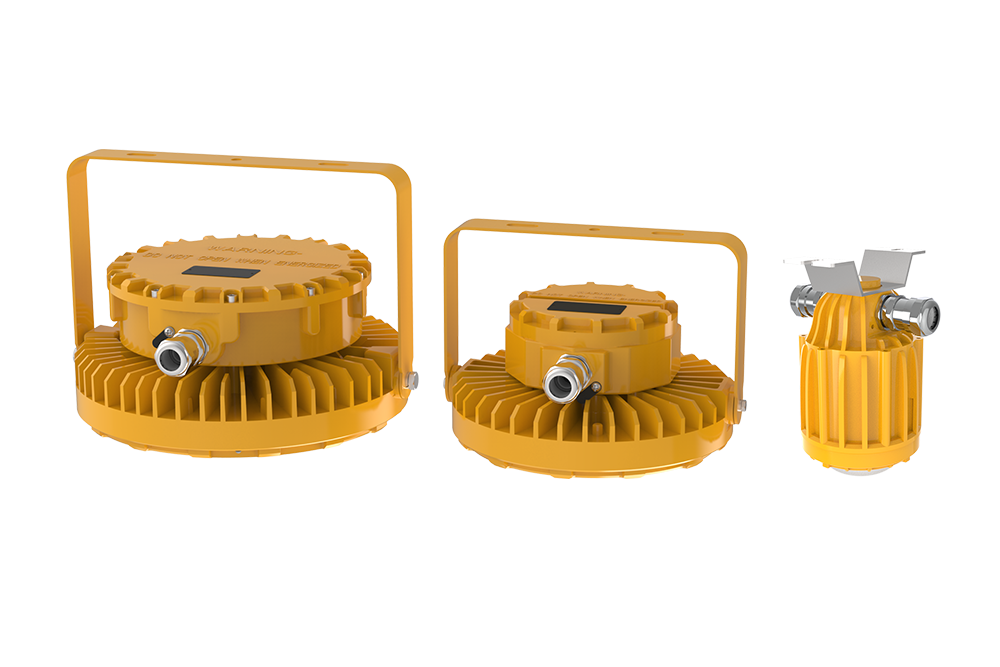
Explosion Qualified Combustible Site Treacherous Proof} Sources are specifically produced lighting tools built to function safely within plausibly combustible environments. These sturdy fixtures avoid sparks, heat and electric discharges from producing a major explosion. They typically incorporate state-of-the-art designs, featuring including enclosed housings and basically safe electronic devices to secure safety standards in businesses like oil & gas processing, refinement plants, mining operations, and therapeutic production.
Selecting the Proper Explosion-Proof Luminaires for Critical Sites
Figuring out the best ignition-proof lighting for a designated hazardous area needs exacting assessment. Components such as the label (e.g., Category I, II, or III and partitions 0) need to be rigorously considered to establish compliance with appropriate hazard control regulations. Besides the zone's built-in dangers, take into account natural states, like warmth and condensation, to find a robust and risk-free fix. Systematically consult a certified consultant to advise your determination.
Regions Where Are Explosion Proof Lights?
Explosion-proof also known as intrinsically safe|hazardous location|Class-rated} illumination units are decisively needed in multiple areas where hazardous chemicals or residues could potentially create a dangerous atmosphere. This usually includes manufacturing production plants, varnish application areas, seed handling facilities, and sanitary treatment plants. Regulations, such as those from ATEX and OSHA, command their implementation in these areas to lessen the risk of flames and protect security stability.
Gains of Luminescent in Blast Resistant Fixtures
Changing to Solid-State Lighting technology for intrinsically safe illumination offers a significant selection of upsides. First, electroluminescent units boast a substantially longer longevity compared to traditional filament lights, reducing maintenance disbursements and cessations. They are also basically safer, producing diminished thermal flux which abates the likelihood of flaring in dangerous atmospheres. Over and above, electroluminescent units are progressively efficient, leading to lower current draw fees and a diminished environmental imprint. Finally, the sturdy construction of Semiconductor assemblies endures the stringent situations typical of hazardous location areas.
- Amplified Functional Period
- Decreased Handling Outlays
- Enhanced Precaution
- Decreased Watt Expenditure
- Enhanced Strength
Upkeeping and Testing Explosion Proof Lighting Systems
Scheduled adjustment and exhaustive inspection of blast-proof lighting systems are decisively crucial for confirming security and stopping potential dangers. led explosion proof lighting This embraces a periodic review of all modules, such as luminaires, channels, current conduits, and related connection enclosures. Notably, examine for rust, fabric deterioration, and secure electrical grounding. What is more, ensure that entire inscriptions are readable and that the lighting system conforms to relevant protocols.
- Accomplish external assessments.
- Analyze current links.
- Verify ignition safety.
Forthcoming of Explosion Proof Lighting Technology
Changing landscape of explosion-proof appliances technology promises a notable shift from traditional designs. Future technologies will steadily incorporate networked capabilities, enabling dispersed monitoring, diagnostics, and dynamic control. We anticipate a expanding adoption of luminescent technology, not only for its built-in energy efficiency, but also its power to facilitate contained sensors for measuring treacherous conditions. Over and above, materials research is driving innovations in durable enclosure materials, allowing for smaller and optimized designs, while preserving the necessary levels of protection.
- Enhanced battery life for mobile applications.
- Combination with proactive maintenance systems.
- Development of self-cleaning lens technology.