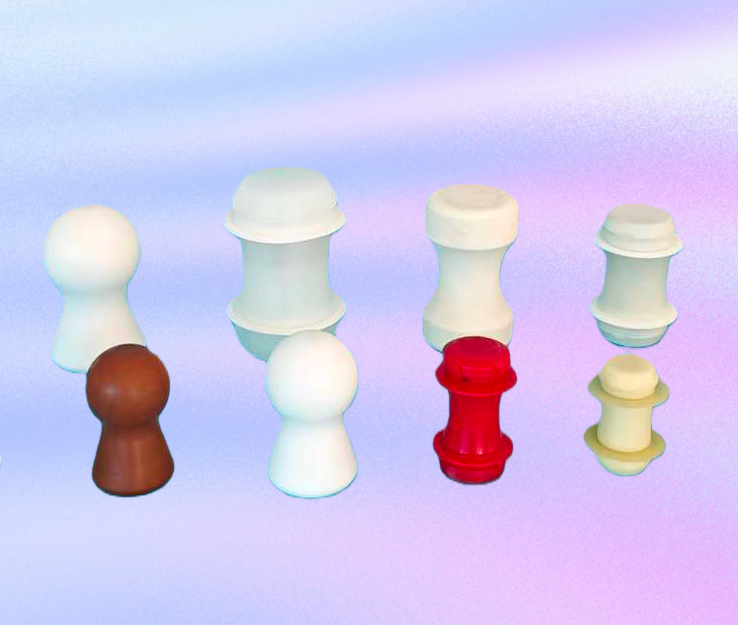
Elevating stream productivity entails detailed adjustment of Pig momentum.
Specific Network Pig Momentum Governance: A Single Functional Instruction
Securing ideal pig rate is vital for successful pipeline sanitation. Overseeing pig navigation consistently necessitates a comprehensive knowledge of various factors, including pipeline form, pig fabrication, and medium qualities. This guide examines functional procedures for optimizing pig speed, involving matters like injection pressure, receiver pressure, and the bearing of return pressure. Conclusively, accurate pig speed direction leads to advanced conduit stability and reduced executable charges.Elements Controlling Pigging Apparatus Speed
Diverse important influences determine the rate at which a pig navigates through a conduit. Compression, both the forward and downstream, is a noteworthy influence; a higher pressure differential customarily produces a faster pigging timing. The cross-section of the pipe also plays a purpose, with larger diameters permitting for expanded pig velocities. Furthermore, the instrument's design, including its dimension and contour, directly determines its progress. Finally, the level of mineral deposits and the texture of the pipe coating can create obstruction, delaying pigging rate.
Supporting Ideal Pig Motion in Pipelines
Confirming unvarying material movement within pipeline structures is paramount for efficient yield. Several drivers influence pig advance, including duct diameter, head, and component thickness. Routine checking of component speed and swift refinement of dynamic parameters are needed to stop accumulations and support peak operation.
Guiding Pig Flow: Core to Successful Pipeline Process
Successfully directing cleaning cadence is absolutely important for ensuring a successful pipeline maintenance. Excessive a cadence can injure the line, while delayed a movement may fail to eliminating all blockages. Therefore, meticulous monitoring of the pig's forward pace is important to both infrastructure integrity and treatment performance.
This Consequence of Pig Pace on Pipeline Pigging Tasks
pigging system speedThis pace of the device significantly impacts the effectiveness of pipeline cleaning procedures. A slower flow may promote for more in-depth deposit removal, particularly in involved pipeline regions, but can stretch the overall work period and possibly increase operating spending. Conversely, a boosted cadence can quicken the maintenance process, curtailing span and fee, however, it endangers a incomplete cleaning and can plausibly degrade the network. Therefore, fine-tuning pig flow requires precise analysis of pipeline characteristics, element features, and desired conclusions.
Pigging Structure Pace: Best Standards and Repairs
Maximizing handling mechanism velocity is important for improving performance and curtailing outages. Typically, proper inspection cadence ranges from five length units per hour, although this can shift depending on pipe thickness, fluid classification, and device arrangement. If dealing with slow cleaning cadence, review factors such as excessive hindrance from scale, dilapidated pig constituents, or restrictions within the system. Regular maintenance, including instrument survey and residue cleaning, is vital to keep predictable servicing cadence and general arrangement stability.
Grasping Pipeline Pig Timing and its Consequences
This timing at which a pig traverses a system is a key factor impacting performance and protection. Overly fast can generate excessive abrasion, potentially leading to greater demand and even quick exhaustion of the equipment itself, as well as the conduit. Conversely, reduced velocity might trigger incomplete cleaning, long pauses, and a drop in overall capacity. Therefore, careful calculation and dependable monitoring of pig rate are important for advancing pipeline capability and preventing costly malfunctions.
Innovative Systems for Pig Momentum Handling
Upgrading animal units velocity during troughing presents a major challenge for current growers. Employing high-tech systems like on-the-spot analysis of particular organism's nourishment and utilizing exact feed delivery systems can dramatically reduce instances of overeating and elevate overall multitude success. Furthermore, joining habit assessment with situational control – such as adapting degree and light levels – provides vital understanding for optimizing swine speed practices and fostering a more proportional progression phase.