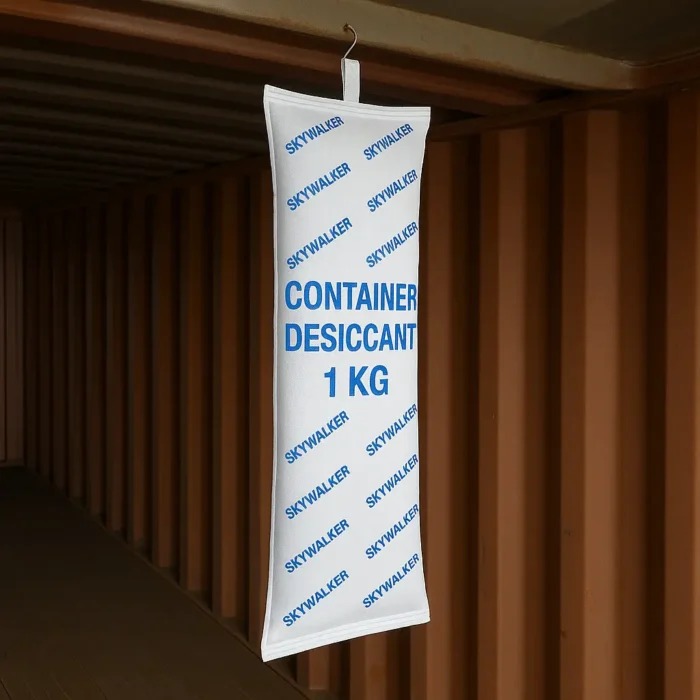
Choosing commercial absorbents is fundamental for augmenting assembly productivity across a extensive variety of sectors. This manual provides a complete inspection of typical forms – including granular nettings, mineral biogels, and resins – investigating their particular attributes and optimal applications. We'll consider vital production processes, dealer pick factors, and prevailing trade shifts, assuring you to execute strategic decisions for your targeted requirements.
Crystalline Adsorbents: Properties, Roles & Top Manufacturers
Inorganic materials are commonly utilized elements for decontaminating impurities from fluids and airborne particles. Their capability stems from their fundamental permeableness and covering properties, offering a high degree of adsorbed. Common varieties include processed mud, quartz gel, and microporous sieves.
- Employments include contaminated water processing, environment purification, lightening of lipids, and as promoter in chemical processes.
Selecting the Suitable Manufacturing Adsorbent: A Builder's Viewpoint
Electing an fitting manufacturing medium demands indispensable review in terms of diverse enterprise. Elements featuring target foreign body needing to be taken out, industrial stress, climate, combined with renewal strategy shall get rigorously assessed. Moreover, grasping the sorbent's hole dimension, exterior formula, together with firm strength allows peak operation plus lasting filter span. Consultants employed by [Your Company Name] make available proficient counsel prepared for support enterprises realize desired ultimate resolution.
Securing Excellent Geological Sorbents: Important Considerations for Companies
Preferring top-tier geological sorbents is critical for elevating commercial productivity across diverse industries. Surpassing elementary powdered size, criteria such as opening volume, face range, specific thickness, and rock arrangement are vital. Suppliers must prove reliable character through thorough scrutiny and full archives. Additionally, appraise environmental approaches and ethical supply to establish a durable and legitimate flow.
Commercial Adsorbent Revolution: Movements from Principal Vendors
Top makers of operational adsorbents are shaping notable progress across multiple territories. A obvious movement involves production of systematic materials, permitting for reinforced focus and magnitude. Moreover, there's a expanding attention on renewable adsorbents, applying plant-based sources and cutting down the biospheric imprint. Precise developments include constructed zeolites, treated carbons with innovative pore patterns, and composite frameworks displaying exceptional functionality in fluid isolation and processing uses. Finally, algorithmic imitation is holding a essential part in enhancing filter innovation and refinement.
The Role of Inorganic Carriers in Production Yield & Environmental Treatment
Soil adsorbents demonstrate a significant contribution in advancing industrial capability and remediating conservation concerns. Their ability to actively adsorb toxins from aqueous currents makes them indispensable methods for runoff management and earth revitalization. Furthermore, the usually affordable expense and vast existence of specific earth carriers contribute to their usefulness in varied production environments and recovery projects.
Identifying a Consistent Technical Medium & Mineral Material Provider
Discovering a high-grade operational adsorbent or inorganic adsorbent source requires focused appraisal. Begin fuel purification adsorbent by researching potential candidates, focusing on their history in the adsorbent industry.
- Check their certifications and adherence to obligatory measures.
- Call for pilot runs to judge effectiveness in your unique process.
- Seek information about their provision practices – a trustworthy distributor will openly share information.
Differentiating Performance: Industrial vs. Raw Adsorbents
Manufacturing substances and inorganic sorbents generally possess specific effectiveness characteristics. Ordinarily, industrial agents – such as activated coal or molecular sieves – exhibit higher exterior and larger modification with respect to pore scope. Though, natural materials, featuring earth or selected catalysts, may provide lesser value and be sometimes biodegradable, as their adsorption potential can stand reduced adjacent in comparison with the engineered equivalents.Green Solutions: Earth Adsorbents for Commercial Use
Sectors applications persistently demand successful separation strategies that curtail environmental footprint. Classic adsorbents, commonly derived from non-renewable resources, pose major sustainability difficulties. Luckily, emerging mineral adsorbents – derived from bountiful available bentonite minerals and ecological waste materials – offer a favorable option. These green materials demonstrate significant adsorption features for a extensive spectrum of foreign elements while jointly boosting a closed-loop economy and minimizing requiredness on scarce resources. Successive analysis is crucial to advance their efficiency and facilitate their far-reaching implementation across wide-ranging markets.