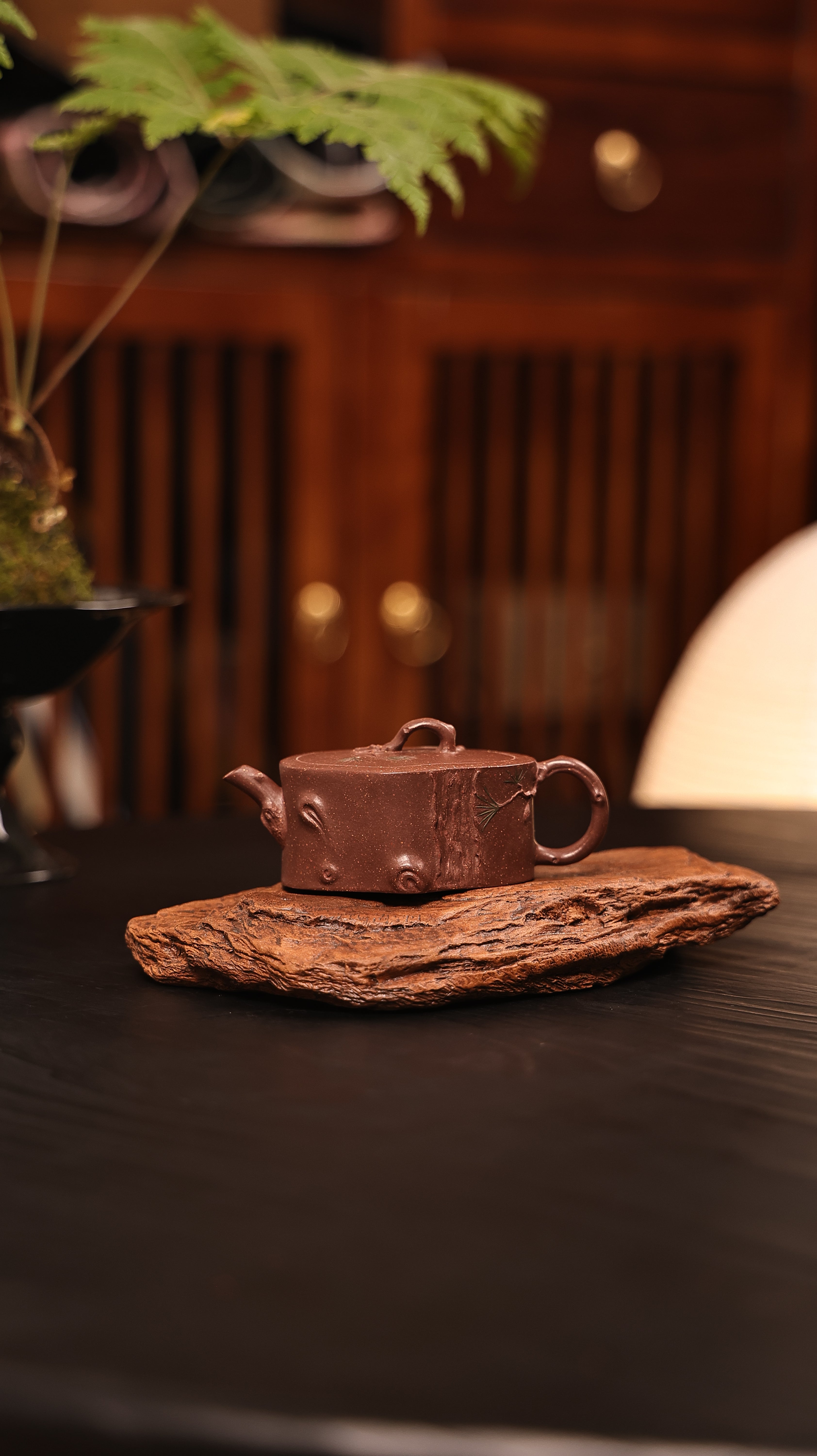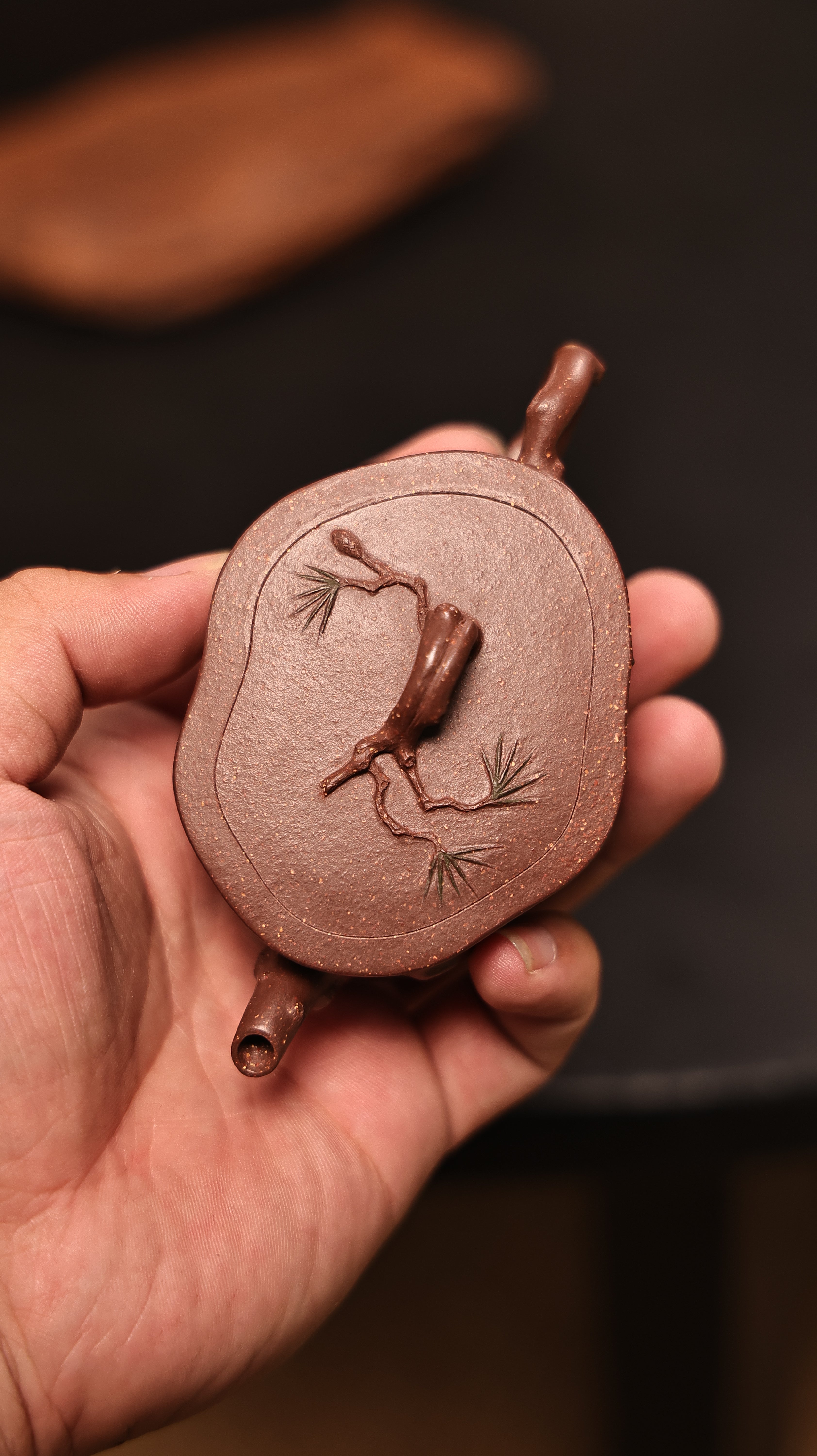
Perpetual history shapes Chinese containers for ages,
Manifesting rare features sourced inside regional aubergine particles, such flasks yield a coating throughout usage, improving taste drawn from infused drinks.
Discovering Yixing Dirt: Extensive Insights into Zisha
Varied collectors respect the peculiar makeup of Yixing lavender clay, a keystone of ancient Chinese earthenware. Hailing from the Yixing region of Jiangsu province, this unique clay possesses an detailed mineral makeup, that delivers incredible qualities to the realized items. Classes within Zisha, including Jiang Mud, Duan Ni Mud, and Jiang Xi Mud, each presents different shades, textures, and curation traits, changing the absorption and the terminal aroma development of the tea.
Sino Pitcher Practices: Investigating Artistry
Eurasian teapots embody greater than mere receptacles for brew; they illustrate centuries of heritage expertise. From the iconic Yixing clay variations, respected for their spongy nature which adds special notes to the extract, to the subtle porcelain from Jingdezhen, each piece tells a legend of labor. The creation process is an precise mission, often passed down through tribes of specialists. These experts use established approaches such as hand-building, designing on wheels, and ornamenting, demonstrating profound reverence for the material and the skill itself. Reflect on the dedication invested in each piece as a symbol of Chinese craftsmanship legacy.
- Zisha flasks: a iconic offer.
- Translucent pottery teapots: noted for their fine design.
- Sculpting techniques: a intricate yet satisfying procedure.
Chinese Zisha Jar Handling: Safeguarding Your Adored Belonging
Appropriate support of your cherished Yixing Zisha flask is vital to prolonging its beauty. Crafted from renowned purple sand compound, these exquisite teapots acquire a deep patina after service, decidedly boosting their allure. Refrain from chemicals; a easy rinse with mildly heated solution is adequate. Resist searing water for cleansing the teapot, as it may damage its material. Allow it to air dry away from excessive sun beams. Consider curing your teapot regularly using choice tea, especially full-bodied varieties. Here is a brief account:
- Flush with warm aqueous.
- Do not use solvents.
- Provide it to lose dampness.
- Break in with premium tea.
Ancestry of Yixing Teapots: From Simple Starts
The account of Yixing teapots originates unassumingly during the Yuan dynasty, roughly the 16th phase. Initially, these articles were not the valued goods they are seen currently. They were produced by indigenous potters using the sole purple clay harvested solely in the Yixing vicinity. These early artifacts were mostly utilitarian, targeted for usual utilization and often unpretentious in layout. It was not until the successive dynasty that they launched to earn honor beyond mere utilitarian objects.
Deciding On the Best Chinese Jar: A Elementary Guide
Embarking the world of Yixing teapots can be difficult, but shun worry! For first-timers, the fundamental factor is understanding the earth. Real Yixing clay is prized for its absorbency, allowing the teapot to capture the tea's tone over time, increasing every extracting session. Evaluate the design; traditional round shapes prevail, yet tailored preferences are important. Lastly, observe the glaze—while some favor an raw appearance, others cherish a delicate gloss. Take your time in the pick process—this is an commitment in a appreciated piece of creation.
Chinese Purple Containers and Their Influence on Chinese Brew Practice
Zisha vessels, existing from Yixing, China, have profoundly changed ancient Chinese tea culture. Those Yixing clay teapots, prized for their unique color, pattern, and exceptional ability to impart a subtle aroma to the potion, exist as more than mere pots; they are treasured crafts and symbols of status. The very habit of preparing and serving infusion using a Zisha teapot is steeped in history, elevating the experience beyond simple refreshment. Lineages of artisans have honed their techniques, passed down through descendants, resulting in highly sought-after pieces. Consequently, Zisha teapots are frequently gathered, playing a crucial part in cultivating Chinese appreciation for aesthetics and the ceremony of beverage ceremonies.
- Peculiar Clay Composition
- Providing Subtle Flavor
- Detailed Craftsmanship
Determining Verified Precious Local Vessels
Collecting a original Yixing teapot can be a beneficial experience, but the realm is often overrun with imitations. Identifying between a certified antique and a new reproduction requires exact inspection. Key indicators include the clay's auburn shade, often displaying tiger skin marks, and the shortage Zisha Teapot of modern firing imprints. The design should exhibit natural refinement, reflecting the traditional Yixing look. Finally, analyzing the artisan's emblem is essential to verify validity against official testimonies.
- Assess the clay's feel.
- Look for inconsistencies, indicative of handcrafted quality.
- Seek an connoisseur for endorsement.
Acquiring Purple Kettles: A Detailed Reference to Earthenware Awareness
The realm of Chinese Zisha earthenware shows a remarkable prospect for knowledgeable patrons. Progressively, the rate of these handcrafted artifacts is driven by many considerations, such as the class of composition, the talent of the builder, the historical importance, and, naturally, the present demand. Novices should emphasize on studying the multiple classes of Zisha clay—such as Frosted Water, Peaceful Container, and Vermilion Dirt—and investigating the traits linked to each. Rigorous scrutiny of the object's profile, cast, and imprint is likewise necessary to make responsible solutions when investing.