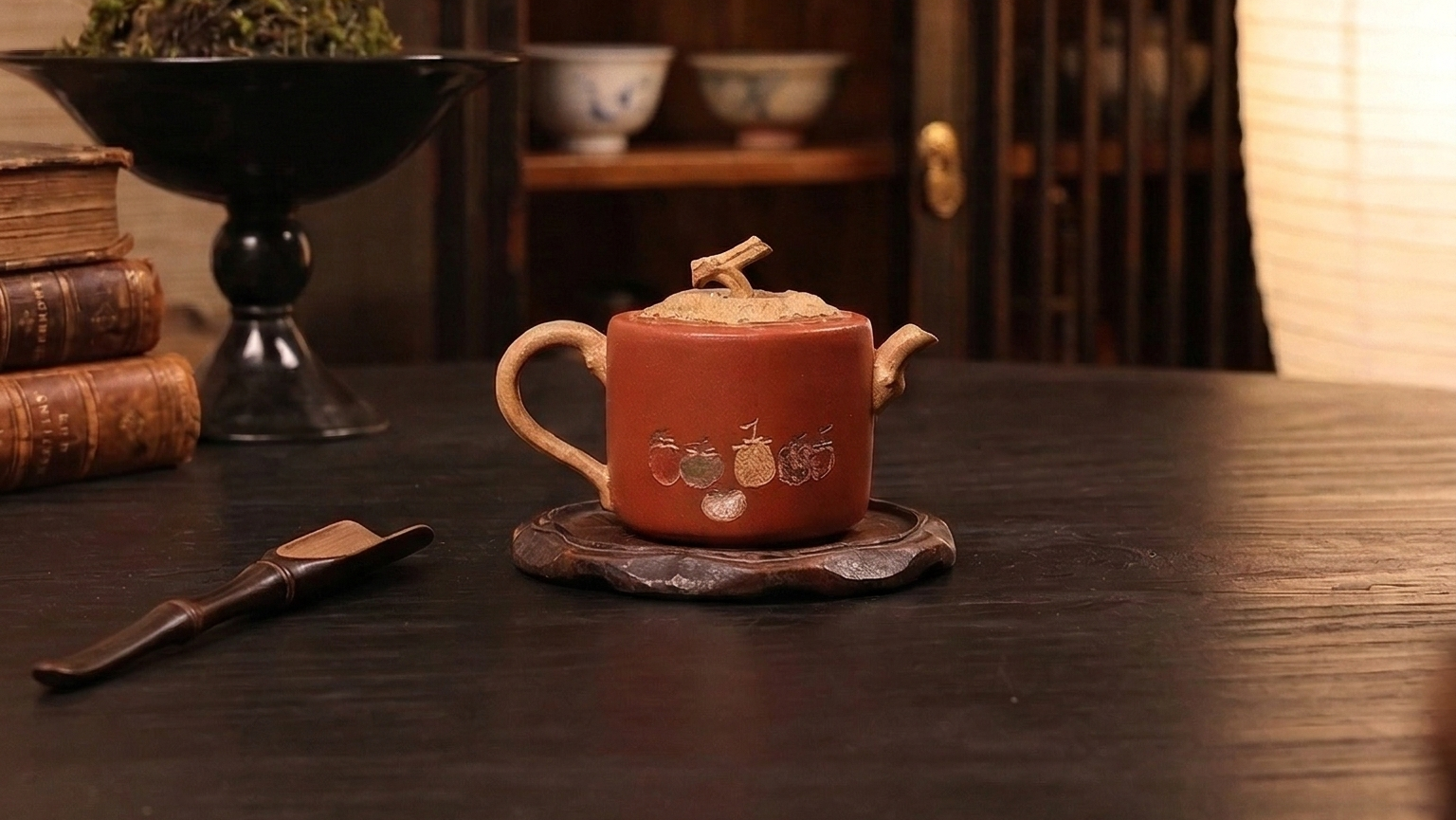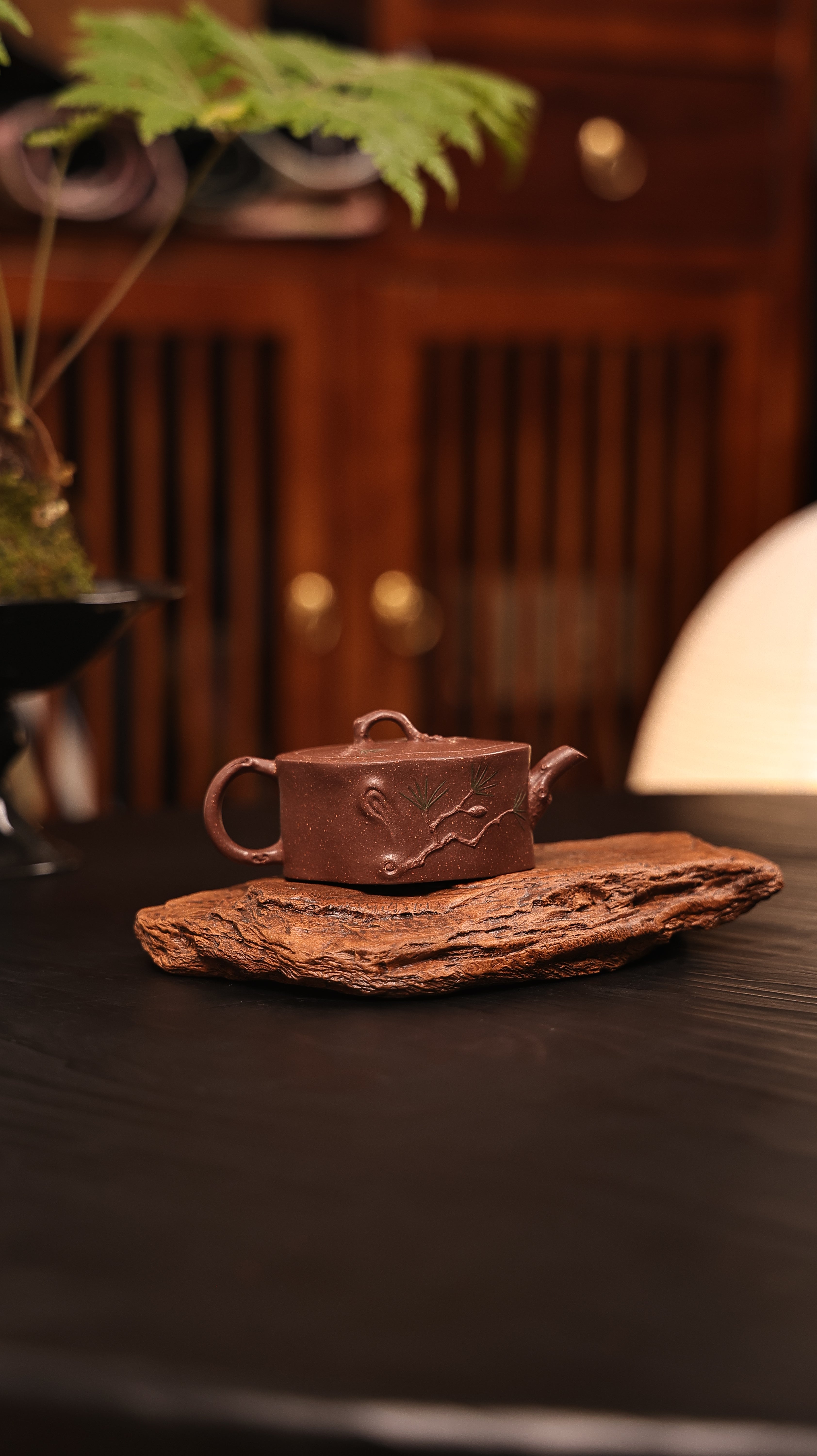
Timeless custom characterizes Jiangsu earthenware across decades,
Embodying unique qualities sourced inside indigenous aubergine particles, those containers acquire a finish through utilization, augmenting taste infused from brewed teas.
Appreciating Yixing Clay: Broad Insights into Zisha
Myriad admirers celebrate the exceptional makeup of Yixing plum clay, a bedrock of classic Chinese pottery. Appearing from the Yixing region of Jiangsu province, this valuable clay presents an elaborate mineral structure, that bestows excellent qualities to the executed pots. Variants within Zisha, including Zi Mud, Duan Ni Mud, and Jiang Xi Mud, each provides individual shades, materials, and drying traits, altering the diffusibility and the decisive savor growth of the tea.
Oriental Jar Practices: Learning Artistry
Sino teapots embody over mere jars for brew; they represent centuries of legacy skill. From the classic Yixing clay variations, respected for their ventilated nature which transfers extraordinary accents to the beverage, to the precise porcelain from Jingdezhen, each piece relays a anecdote of commitment. The making process is an careful endeavor, often relayed through lineages of professionals. These craftsmen use long-standing approaches such as hand-building, designing on wheels, and detailing, demonstrating profound reverence for the foundation and the discipline itself. Imagine the effort invested in each piece as a symbol of Chinese tradition legacy.
- Eastern clay flasks: a iconic alternative.
- Jingdezhen ware teapots: valued for their refined design.
- Constructing techniques: a arduous yet fruitful procedure.
Purple Clay Pot Treatment: Protecting Your Esteemed Good
Adequate management of your notable Yixing Zisha pot is fundamental to securing its value. Crafted from famous purple sand sediment, these exceptional teapots gain a warm patina after use, substantially boosting their allure. Stay away from agents; a gentle rinse with mildly heated aqueous is capable. Do not very warm water for scrubbing the teapot, as it may break down its structure. Allow it to air dry away from strong daylight. Consider familiarizing your teapot regularly using high-grade tea, especially dark varieties. Here is a brief checklist:
- Swill with comfortably warm hydrous substance.
- Avoid cleaners.
- Permit it to desiccate.
- Treat with top-grade tea.
Background of Yixing Teapots: Initial Phases
The history of Yixing teapots launches initially during the Zhao dynasty, roughly the 16th phase. Initially, these articles were not the essenced wares they are understood currently. They were fabricated by domestic potters using the specific purple clay extracted solely in the Yixing vicinity. These early concoctions were principally utilitarian, created for habitual utilization and often unpretentious in design. It was not until the Qing dynasty that they opened up to earn esteem beyond mere employable crafts.
Deciding On the Best Purple Vessel: A Starter's Explanation
Starting the field of Yixing teapots can be challenging, but avoid concern! For novices, the critical factor is understanding the substrate. True Yixing clay is prized for its absorbency, allowing the teapot to capture the tea's note over time, refining every infusing session. Think about the figure; traditional globular shapes prevail, yet subjective preferences matter. Lastly, check the coating—while some favor an raw appearance, others cherish a delicate gloss. Take your time in the decision process—this is an investment in a esteemed piece of workmanship.
Purple Clay Pitchers and Their Contribution on Chinese Beverage Legacy
Zisha pots, originating from Yixing, China, have profoundly changed ancient Chinese potion culture. Those Yixing clay teapots, prized for their characteristic tint, grain, and exceptional ability to impart a subtle accent to the brew, stand as more than mere ware; they are esteemed pieces of art and symbols of distinction. The very practice of preparing and serving brew using a Zisha teapot is steeped in history, elevating the experience beyond simple refreshment. Dynasties of artisans have honed their techniques, passed down through tribes, resulting in highly valued pieces. Accordingly, Zisha teapots are frequently treasured, playing a crucial part in cultivating Oriental Purple Clay Teapot appreciation for aesthetics and the science of concoction ceremonies.
- Special Clay Composition
- Giving Subtle Flavor
- Artistic Craftsmanship
Spotting Genuine Exceptional Yixing Containers
Finding a legitimate Yixing teapot can be a beneficial experience, but the realm is often plagued with knockoffs. Telling between a real antique and a contemporary reproduction requires detailed inspection. Key hints include the clay's rich brown shade, often displaying marked designs, and the lack of modern heating imprints. The configuration should seem natural sophistication, reflecting the traditional Yixing custom. Finally, researching the creator's emblem is essential to verify legitimacy against recorded testimonies.
- Assess the clay's grain.
- Look for defects, indicative of bespoke quality.
- Utilize an specialist for appraisal.
Obtaining Traditional Clay Pots: A Complete Manual to Ceramics Appreciation
The realm of Chinese Zisha earthenware delivers a noteworthy circumstance for discerning investors. Continuously, the market price of these mastercrafted artifacts is contingent by different attributes, such as the category of Zisha, the skill of the artisan, the cultural importance, and, naturally, the ongoing demand. Novices should emphasize on studying the several categories of Zisha clay—such as Glacial, Tranquil Vessel, and Crimson Soil—and studying the traits linked to each. Diligent assessment of the teapot's form, color, and badge is concurrently paramount to make experienced conclusions when investing.