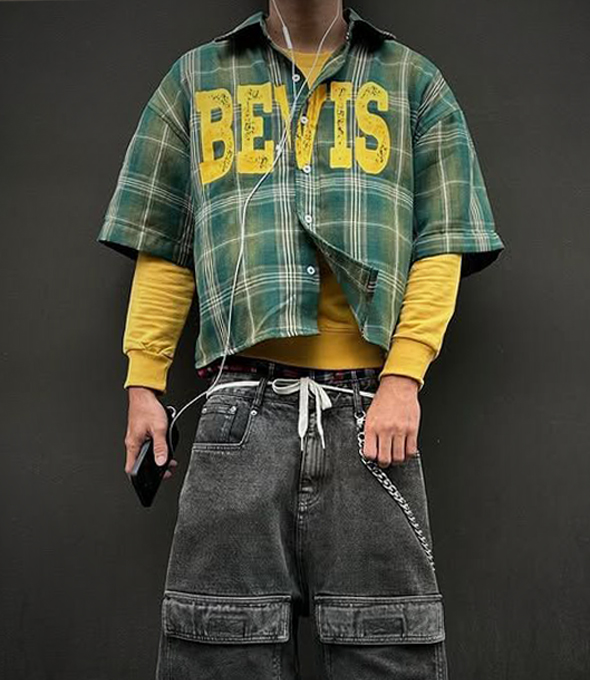
Can Rhinestones Be Combined With Screen Printing or Embroidery on Custom Hoodies?
A custom hoodie looks straightforward on a rack or an Instagram feed, but most production problems start before sewing even begins. When independent brands with real traction decide to push their design boundaries by combining rhinestones, screen printing, and embroidery on a single garment, they are not just adding decoration. They are introducing three competing technical requirements onto the same piece of fabric. The visual impact of a mixed-media hoodie is undeniable, capturing the tactile, heavy-hitting aesthetic that defines modern streetwear. However, the execution is where many collections face severe delays, sample-to-bulk inconsistencies, and quality control failures.
This is not a matter of simply sending a graphic to a factory and expecting magic. It is a complex engineering challenge. Each technique — rhinestone application, screen printing, and embroidery — has its own set of rules regarding heat, tension, curing times, and fabric stability. When procurement teams and product development teams at established streetwear brands evaluate a factory's capability, they cannot just look at a single printed tee or a basic embroidered logo. They must assess how the production partner manages the intersection of these methods. A successful sample is only the first step; ensuring that hundreds or thousands of hoodies maintain the exact same placement, durability, and hand-feel during bulk production is the true test of a manufacturer's competence.
Can rhinestones, screen printing, and embroidery actually work together on a custom hoodie?
Yes, they can work together, but it requires precise sequencing, compatible fabric weights, and a specialized manufacturer for custom streetwear. The techniques must be applied in a specific order — typically embroidery first, followed by screen printing, and finally rhinestones — to prevent heat damage to prints and tension distortion around embroidered areas.
When brands with validated market demand push for mixed-media designs, the immediate question is whether these techniques will destroy each other during production. The reality is that rhinestones require significant heat and pressure to activate the adhesive backing, which can easily melt or crack a fresh plastisol screen print if applied incorrectly. Conversely, embroidery introduces thousands of needle punctures into the fabric, altering its tension and creating an uneven surface that makes subsequent screen printing nearly impossible if the graphic overlaps the stitched area.
To make this combination work, the fabric itself must be robust enough to handle the stress. A heavyweight hoodie, typically ranging from 360gsm to 500gsm French Terry or fleece, provides the necessary structural integrity. Lightweight fabrics will pucker under dense embroidery and buckle under the weight of glass rhinestones. The success of the garment relies entirely on the factory's ability to map out the production sequence before a single piece of fabric is cut. If a brand assumes that any general apparel factory can handle this level of complexity, they are severely underestimating the technical discipline required for premium custom streetwear development.
Why does the sequence of decoration techniques matter more than most brands expect?
The sequence dictates the survival of the garment. If rhinestones are applied before screen printing, the uneven surface ruins the print squeegee's pass. If screen printing is done before embroidery without proper curing, the embroidery hoops will crush the ink. Sequencing is the ultimate risk management tool in multi-technique streetwear production.
In standard apparel production, adding a logo is a single step. In premium streetwear production, combining three distinct embellishments transforms the process into a delicate balancing act. The order of operations is non-negotiable. Embroidery must almost always be executed first. This is because embroidery requires the fabric to be hooped tightly to maintain tension while the needles punch through the material. If a thick layer of puff print or plastisol ink is already on the fabric, the pressure of the hoop will crack or flatten the design.
Once the embroidery is completed and inspected, the garment panels move to the screen printing station. At this stage, the print must be positioned carefully to avoid the raised embroidered sections. The ink must then be fully cured in a conveyor dryer. This brings us to the final and most volatile step: the rhinestone application. Rhinestones, whether applied via heat press transfers or individual setting machines, require temperatures often exceeding 160°C (320°F) for 10 to 15 seconds. If the screen print ink formulation is not designed to withstand this secondary heat exposure, it will re-melt, smudge, or lose its intended texture. This is why experienced product teams insist on reviewing the factory's internal workflow documentation before approving a complex design. The sequence is not just a suggestion; it is the fundamental architecture of the product.
Where does the production process usually break down when mixing rhinestones with print or embroidery?
Breakdowns typically occur at the intersections of the techniques. Common failures include rhinestones peeling off because they were pressed over ink instead of raw fabric, print cracking due to secondary heat exposure, and fabric puckering around dense embroidery clusters that distort the garment's intended silhouette.
The most frequent and costly failures in mixed-media custom hoodies happen exactly where the different techniques meet. A classic mistake made by inexperienced factories is attempting to apply hot-fix rhinestones directly on top of a screen-printed area. The adhesive on the back of a rhinestone is designed to bond with the fibers of the fabric. When it is pressed onto a layer of plastisol or water-based ink, it only bonds with the ink layer. As the garment is worn and washed, the ink flexes, and the rhinestones simply peel off, taking chunks of the print with them.
Another critical breakdown point involves the curing process. Screen printing requires precise temperature control to cure the ink so it becomes durable and wash-fast. However, when the garment is subsequently subjected to the heavy heat press required for rhinestones, the print can over-cure. Over-cured ink becomes brittle and cracks easily, destroying the aesthetic of the hoodie. Furthermore, if the design calls for an oversized fit with dropped shoulders and a boxy silhouette, the placement of these heavy decorations must be calculated perfectly. A massive rhinestone graphic placed too low on the chest of a boxy hoodie will disrupt how the garment drapes, pulling the fabric awkwardly and ruining the intended fit. These are not design flaws; they are execution failures that separate a generic apparel factory from a true streetwear manufacturing partner.
How do wash techniques interact with mixed-media decoration on a custom hoodie?
Wash techniques like acid wash or enzyme wash must be completed before any printing or rhinestone application, as the harsh chemicals and industrial tumbling will destroy applied graphics and detach stones. Embroidery, however, can sometimes be intentionally washed with the garment to achieve a distressed vintage effect.
When brands incorporate complex wash techniques into a hoodie that also features rhinestones, screen printing, and embroidery, the production timeline becomes even more rigid. An acid wash or a heavy stone wash is a violent process. The fabric is subjected to chemical agents, abrasive stones, and intense mechanical tumbling. If a factory attempts to wash a garment that has already been screen-printed, the chemicals will degrade the plastisol or water-based ink, causing it to fade inconsistently or peel away entirely. Similarly, the friction and water pressure will easily strip hot-fix rhinestones from their adhesive backing.
The standard protocol in premium streetwear manufacturing is therefore to cut, sew, and wash the blank garment first. Once the desired wash effect and shrinkage have been achieved and measured, the panels or the finished garment are then sent for decoration. There is one notable exception: embroidery. Some brands intentionally embroider the garment before the wash process. When an embroidered logo goes through an enzyme or stone wash, the threads lose their initial sheen and take on a distressed, vintage appearance that aligns perfectly with the washed aesthetic. However, this requires rigorous testing of the thread's colorfastness to ensure it does not bleed into the surrounding fabric during the wash cycle. Understanding these interactions is what separates a specialized streetwear factory from a standard cut-and-sew operation.
What should your tech pack include when combining multiple decoration techniques on a hoodie?
A tech pack for a mixed-media hoodie must include a strict order of operations, exact clearance distances between different techniques, specific ink formulations that withstand secondary heat exposure, and precise rhinestone sizing and adhesive specifications — all to ensure sample-to-bulk alignment.
When dealing with a complex product, a standard tech pack that simply points an arrow to the chest and says "logo here" is a recipe for disaster. Procurement teams must ensure that the technical documentation provided to the factory is exhaustive. First, the tech pack must explicitly define the clear zones — the mandatory blank space required between an embroidered element and a screen print, or between a print and a rhinestone cluster. This tolerance is usually measured in millimeters and is crucial because it accounts for the physical limitations of the machinery used on the factory floor.
Secondly, the tech pack must specify the chemical compatibility of the materials. If rhinestones are involved, the tech pack should demand high-temperature resistant inks for any adjacent screen printing. It should also detail the exact type of rhinestones — for example, MC (Machine Cut) glass stones versus cheaper acrylics — along with the required pressing temperature and dwell time. For embroidery, the backing material (stabilizer) must be specified based on the fabric weight to prevent puckering. When sourcing from a specialized manufacturer for custom streetwear clothing, such as , these technical details are typically discussed and refined during the initial development phase to ensure that the design intent translates into a viable bulk production plan. A robust tech pack removes the guesswork and forces the factory to acknowledge the complexity before quoting a price.
How do you validate a multi-technique hoodie sample before committing to bulk production?
Validation requires aggressive wash testing, stretch testing the printed areas, physically testing the rhinestone adhesive bond, and verifying that the heavy decoration has not warped the intended oversized or boxy silhouette of the garment under real wearing conditions.
Approving a sample based purely on how it looks when it comes out of the polybag is one of the most common mistakes made by product teams. A mixed-media sample must be subjected to physical stress tests to validate the factory's execution. The first step is the wash test. The hoodie should be washed and dried at least three to five times using standard consumer settings. After washing, the product development team must inspect the screen print for any signs of cracking or fibrillation, check the embroidery for puckering or thread breakage, and count the rhinestones to confirm none have detached.
Beyond washing, physical manipulation is necessary. The fabric around the rhinestones should be stretched to see if the adhesive holds under tension. The back of the embroidery should be checked to ensure the stabilizer is clean and not causing irritation to the wearer. Furthermore, the garment must be tried on by a fit model. Heavy embellishments — particularly dense rhinestone clusters and large embroidery patches — add significant localized weight to the fabric. This weight can pull the neckline down, distort the shoulder drop, or ruin the drape of a carefully engineered baggy fit. If the sample fails any of these tests, the production process must be adjusted before bulk cutting begins.
Why is sample-to-bulk consistency the biggest hurdle in multi-technique streetwear production?
Sample-to-bulk consistency fails when factories use manual alignment for samples but rush bulk production without proper jigs and templates, or when they substitute premium rhinestone adhesives or ink bases to cut costs during the larger run — changes that are invisible in the box but catastrophic after the first wash.
The most dangerous phase in product development is not the initial sample creation; it is the transition from a perfect sample to a bulk run of 500 or 1,000 units. A sample room technician can spend two hours meticulously aligning a screen print around an embroidered crest and carefully hand-placing rhinestones to ensure perfect visual balance. However, on the main factory floor, speed is a factor. If the factory does not invest time in creating precise physical jigs and alignment templates for the bulk run, the graphics will shift. A print that was perfectly centered below the collar on the sample might sit two inches lower on the bulk production, ruining the proportion of the hoodie.
Another critical risk is material substitution. A premium sample might use high-grade MC glass rhinestones with a strong, heat-activated silicone adhesive. When the order moves to bulk, a factory looking to widen its margin might quietly substitute cheaper acrylic stones with an inferior glue. The difference is not immediately visible when the hoodies are packed, but after the end consumer washes the garment once, the acrylic stones will begin to fall off. Similarly, substituting a high-quality plastisol ink for a cheaper alternative can lead to cracking when the garment is exposed to the heat press during the rhinestone application stage. Procurement teams must clearly stipulate in the tech pack that no material substitutions are permitted between sample approval and bulk execution, and they must conduct random inspections during the bulk run to enforce this standard.
Which types of streetwear hoodies are best suited for combined rhinestone, print, and embroidery execution?
Heavyweight 400gsm+ cotton fleece, boxy silhouettes with wide flat panels, and structured French Terry hoodies are best suited for this level of complexity, as they provide the necessary physical foundation to support heavy thread counts, thick ink layers, and glass stones without distorting the garment's intended fit.
Not every hoodie is built to handle the stress of multiple decoration techniques. The foundation of the garment — the fabric and the silhouette — dictates what is possible. For a design featuring embroidery, screen printing, and rhinestones, the fabric must be substantial. Heavyweight cotton, typically 400gsm or higher, is the industry standard for this level of execution. A thick fleece or a densely knit French Terry provides a stable canvas that resists the pulling tension of embroidery hoops and the intense heat of rhinestone presses.
The silhouette also plays a critical role. Oversized, boxy fits with dropped shoulders and wide body panels offer more surface area for complex graphics without forcing the techniques to overlap dangerously close to the seams. Seams are naturally uneven, and trying to screen print or heat press rhinestones over a seam usually results in poor adhesion and visual distortion. By utilizing wide, flat panels, brands give the factory the necessary space to execute the sequence flawlessly.
What is the true cost of executing rhinestones, print, and embroidery correctly?
The true cost is reflected in the increased labor time for sequencing, the higher defect rate during setup, the need for premium heavyweight fabrics, and the necessity of rigorous quality control at every intersection of the techniques. Brands that chase the lowest quote for this complexity almost always pay more in the end.
When a procurement team receives quotes for a hoodie featuring three distinct decoration techniques, the variance in pricing can be alarming. A quote that seems too good to be true almost always is. The cost of a mixed-media hoodie is not just the sum of the ink, the thread, and the stones. The real expense lies in the operational friction. Every time a garment panel moves from the embroidery station to the screen printing carousel, and then to the heat press, there is labor involved in handling, aligning, and inspecting the piece.
Moreover, the defect rate — often called the fallout rate — is naturally higher when combining techniques. If a mistake is made during the final rhinestone application, the factory loses not only the stones but also the cost of the fabric, the embroidery, and the screen printing that were already completed perfectly. A specialized streetwear clothing manufacturer factors this risk into their pricing. They charge more because they build in the time for proper curing, precise alignment, and aggressive quality control at every stage. Brands that chase the lowest possible quote for this level of complexity usually end up paying the price in delayed shipments, unsellable inventory, and frustrated customers. True value in premium streetwear production comes from repeatability and risk reduction, not from the cheapest initial unit price.
When established streetwear brands push the limits of garment decoration, they understand that the design is only as strong as the fabric it sits on and the manufacturing system that brings it to life. Rhinestones, screen printing, and embroidery can absolutely coexist on a custom hoodie — but only when every step of the production process is engineered with the same level of intention as the design itself.
Custom Jacket Manufacturer vs. OEM Jacket Manufacturer — Which Model Actually Protects Your Streetwear Collection?
When sourcing production for a new outerwear program, many brand teams find out too late that the factory they picked is not built for the product they designed. A supplier may look solid on paper — they show you a showroom full of jackets, hand you a competitive quote, and say yes to every line on your tech pack. But what seems like a straightforward sourcing decision often turns into a six-month headache when the bulk delivery arrives and the fit is off, the hardware feels wrong, and the wash looks nothing like the approved sample. The real issue usually isn't that the factory can't sew. It's that the brand didn't understand the fundamental difference between a custom jacket manufacturer and an OEM jacket manufacturer — and that gap quietly shaped everything that went wrong.
In today's streetwear market, outerwear is no longer about slapping a logo on a standard shell. Consumers are paying closer attention to fabric hand-feel, silhouette precision, hardware weight, and wash texture. Established streetwear brands are pushing for complex paneling, custom distressing, specific vintage finishes, and oversized or cropped fits that demand real pattern engineering. The expectations placed on manufacturing partners have shifted. You are not just looking for someone who can sew a jacket; you need a partner who understands sample-to-bulk consistency and can execute technique-intensive streetwear production at scale. This article breaks down the real differences between custom and OEM jacket manufacturing models — and more importantly, explains how each model impacts your product quality, your timeline, and your brand's long-term supply chain health.
What Is the Core Difference Between Custom and OEM Jacket Manufacturing?
A custom jacket manufacturer builds your garment entirely from scratch — original patterns, original fabric sourcing, original construction. An OEM jacket manufacturer produces your branded product using their established infrastructure, pre-engineered patterns, and proven supply chain systems, giving you a more streamlined but slightly less open-ended development path.
When you work with a custom jacket manufacturer, you are buying into a full product development cycle. Every single detail — from the exact GSM of the canvas or nylon, to the specific dye lot, the custom zipper pulls, the exact drop-shoulder measurement, and the seam allowance on every panel — is engineered specifically for your brand. This route is essential for independent brands with real traction that need to establish a unique silhouette or use complex mixed-media decoration that cannot be applied to a standard block. Think of a heavily paneled varsity jacket with custom chenille patches, a specific enzyme-washed denim body, and leather sleeves sourced from a particular tannery. That kind of product simply cannot come from a template.
On the other hand, an OEM streetwear manufacturer operates with a different logic. While they still produce goods under your brand name with your custom graphics, trims, and colorways, they leverage their existing manufacturing infrastructure — pre-sourced fabric libraries, proven pattern blocks, and established finishing lines. If you want a classic bomber jacket or a standard puffer with your custom embroidery and branded hardware, an OEM partner can execute this efficiently because they already know how that specific garment goes together. The underlying architecture of the jacket is based on a proven standard rather than a ground-up invention, which means fewer surprises during bulk production.
Neither model is inherently better. The right choice depends on what your product actually demands and how much development risk your brand can absorb.
Why Does the Manufacturing Model Directly Affect Sample-to-Bulk Consistency?
Custom manufacturing carries a higher risk of sample-to-bulk inconsistency because every step is essentially a first-time process, requiring rigorous quality control systems to manage new variables. OEM manufacturing often delivers better bulk consistency for standard items because the factory is repeating a process they have already mastered and standardized across multiple production runs.
One of the most common issues procurement teams face is the quality drop-off between the pre-production sample and the final bulk delivery. When you use a custom jacket manufacturer to develop a highly complex piece — say, a heavily washed denim jacket with intricate distressing, custom metal hardware, and a specific oversized silhouette — the sample room might spend two weeks perfecting a single garment by hand. But when that same jacket moves to the bulk sewing line, the workers are dealing with entirely new variables: fabric shrinkage variations across a 500-yard roll, different operators handling the distressing at different intensities, and the sheer speed required for bulk cutting and assembly.
If the factory lacks strict bulk-ready control systems — standardized wash recipes, pre-production fabric testing, inline QC checkpoints — the oversized fit you loved in the sample might become a sloppy, unbalanced mess in the bulk run. The distressing might be too aggressive on some pieces and barely visible on others. The hardware placement might shift by half an inch because the pattern wasn't adjusted for the bulk fabric's actual shrinkage rate.
OEM production, conversely, relies on repetition. Because an OEM streetwear manufacturer is often working with fabrics they source regularly and patterns they have sewn thousands of times, the variables are significantly reduced. They know exactly how their standard French terry or nylon will behave during cutting and sewing. They know how much their specific denim shrinks after washing. For streetwear brands with proven sales that need reliable replenishment and cannot afford launch delays due to production errors, the OEM route often provides a safer path for core collection items.
How Do Fabric Sourcing and Wash Development Differ Between These Two Models?
Custom manufacturers source raw materials and develop wash formulas specifically for each project, allowing for unique textures and proprietary hand-feel but requiring longer lead times and more testing. OEM clothing manufacturers typically offer a curated selection of premium fabrics and standardized wash processes that they already know how to control at scale, reducing risk but limiting absolute uniqueness.
In modern streetwear, the tactile experience of a garment is just as important as the visual graphic. Consumers might not know the technical term for a 400gsm enzyme-washed fleece, but they know exactly how it should feel when they put it on. They notice when the fabric is too thin, when the wash feels flat, or when the drape doesn't match what they saw on social media.
When working with a custom jacket manufacturer, your design team has the freedom to specify exact fabric weights, custom dye colors, and complex finishing techniques like acid wash, stone wash, pigment dyeing, or garment-dyed processes. The challenge is that developing a custom wash formula that looks good on a single sample and remains stable across a 500-piece bulk order is incredibly difficult. Acid wash, for example, is notoriously hard to control in bulk — every batch can come out slightly different depending on the chemical concentration, the tumble time, and even the ambient temperature in the wash facility. If the factory doesn't run extensive pre-production wash trials, you might approve a sample with a beautiful, layered vintage effect and receive bulk goods that look flat and uniform.
An OEM streetwear manufacturer approaches this differently. They usually maintain a deep library of premium fabrics — heavyweight cottons, durable nylons, specific denims, washed fleece options — that they have already tested extensively across multiple production runs. If you want a vintage wash effect on your jacket, they will likely steer you toward a wash process they have already perfected and can replicate consistently. While this might limit your ability to invent a completely new fabric texture, it drastically reduces the risk of bulk production failures. Some manufacturers, such as , focus specifically on heavyweight fabrics and complex finishing techniques used in modern streetwear collections, bridging the gap by offering OEM-level reliability with the premium execution required by culture-driven apparel brands.
What Should Procurement Teams Actually Verify Before Signing a Production Order?
Procurement teams must verify a factory's ability to manage complex streetwear techniques, their sample-to-bulk quality control systems, their understanding of streetwear-specific fits and silhouettes, and — critically — whether they proactively flag design risks in your tech pack rather than just blindly executing it.
When evaluating a potential production partner, many brands make the mistake of only looking at the sample cost and the quoted unit price. But the lowest quote often ends up being the most expensive option when you factor in the cost of delayed launches, unsellable inventory, and damaged brand reputation. Whether you are evaluating a custom jacket manufacturer or an OEM partner, you need to look beyond the showroom samples and dig into the operational reality.
Here is what experienced sourcing teams actually check:
•Tech pack review depth. A weak factory will simply say "yes" to everything on your tech pack and wait for the problems to surface on the sewing line. A strong streetwear manufacturing partner will review your tech pack and immediately point out risks — for example, warning you that a specific puff print might crack on the nylon fabric you selected, or that the heavy hardware on your zipper might cause the lightweight shell to sag and distort the silhouette.
•Understanding of streetwear silhouettes. Streetwear is not just regular clothing sized up. An oversized fit requires specific adjustments to the shoulder drop, the armhole depth, the sleeve length ratio, and the hem balance. If a factory is used to making standard corporate outerwear or basic casualwear, they will struggle to execute the specific drape and proportion required by modern streetwear labels.
•Wash and finish control systems. Ask to see their wash development records. How many wash trials do they run before approving a formula for bulk? Do they test for shrinkage, colorfastness, and hand-feel consistency across multiple fabric rolls? These details separate a premium streetwear production partner from a factory that just happens to own a wash machine.
•Communication and risk flagging. Does the factory ask good questions? Do they push back when something in your design might cause production issues? A factory that never says "no" is often a factory that doesn't understand the complexity of what you are asking for.
For brands comparing sourcing options, a recent industry breakdown of can provide a useful reference point for what serious execution capability looks like in this category.
How Do These Models Handle Production Volume and Reorder Strategy?
Custom jacket manufacturers often require higher production volumes because they are developing raw materials and patterns from scratch, which necessitates larger fabric minimums from mills. OEM jacket manufacturers can sometimes offer a more controlled way to validate product direction before larger volume commitments because they utilize existing supply chains and pre-sourced materials.
When planning a new outerwear collection, production volume is a critical factor that directly impacts cash flow and inventory risk. For independent brands with real traction, the goal is not to chase the absolute lowest quantity, but to find a production partner that offers a strategic testing stage before full-scale production.
A custom jacket manufacturer typically faces strict minimums from their own fabric mills and trim suppliers. If you are requesting a custom-dyed 500gsm canvas with a specific enzyme wash, the mill might require a minimum of 1,000 yards just to start the dye vat. This means the factory has to pass that requirement on to you, resulting in a higher production commitment for your custom jacket. This is a necessary investment if your brand's identity relies on that specific, proprietary fabric, but it requires significant capital and confidence in the product's sell-through.
An OEM streetwear manufacturer, however, often operates with a different supply chain structure. Because they are continuously producing garments for multiple brands using a curated library of premium fabrics, they can sometimes pool fabric orders or utilize materials that meet high-quality standards and are already in their supply chain. This allows them to offer a controlled way to validate product direction before moving into scale. For brands with validated market demand, this means you can test a new silhouette or a complex wash technique with a manageable initial order, and then scale up rapidly once the product proves successful in the market.
What Are the Hidden Risks That Only Show Up After You Commit to Custom Development?
The primary hidden risks in custom jacket development include extended lead times due to iterative sampling, unexpected fabric behavior during bulk production, and the high cost of correcting errors that only become apparent after the cutting phase — when the fabric is already committed and cannot be returned.
Developing a custom jacket from the ground up is an inherently risky process. Even with a detailed tech pack and an experienced design team, the translation from a 2D drawing to a 3D garment involves countless variables. When working with a custom jacket manufacturer, the sampling phase is often an iterative, time-consuming process. You might receive a first prototype where the fit is perfect, but the custom hardware is too heavy for the fabric. The second prototype fixes the hardware, but the new fabric drape alters the silhouette. The third round addresses the drape, but now the wash effect has shifted because the fabric composition changed slightly. This back-and-forth can easily add two to three months to your development calendar, jeopardizing your launch schedule and forcing your marketing team to scramble.
Furthermore, the behavior of custom fabrics during bulk production is notoriously difficult to predict. A fabric that performs beautifully in a single sample yard might exhibit inconsistent shrinkage or colorfastness when processed in a 500-yard batch. If the factory does not have rigorous pre-production testing protocols — including wash shrinkage tests, seam slippage tests, and color migration checks — these issues might only be discovered after the fabric has been cut, resulting in significant financial losses and unsellable inventory.
An OEM streetwear manufacturer mitigates many of these risks by relying on proven materials and established construction methods. While you might sacrifice some degree of absolute uniqueness, you gain significant predictability. The factory already knows how their standard nylon will react to a specific water-repellent coating, and they know exactly how their heavy-duty zippers will perform over time. For established streetwear brands that need to deliver consistent quality on a strict seasonal calendar, this predictability is often more valuable than the ability to invent a completely new fabric from scratch.
How Does This Choice Shape Your Brand's Long-Term Manufacturing Strategy?
Choosing a custom manufacturer aligns with a strategy focused on highly unique, experimental products that define your brand's creative edge. Choosing an OEM manufacturer supports a strategy focused on rapid scaling, consistent quality, reliable replenishment, and operational stability across multiple seasons.
The decision between a custom jacket manufacturer and an is not just a tactical sourcing choice; it is a strategic decision that shapes your brand's operational future. If your brand's core value proposition is built around avant-garde silhouettes, proprietary fabric developments, and highly experimental construction techniques, you must build a supply chain that supports custom development. This requires a dedicated product development team, a high tolerance for risk, and the financial resources to absorb the costs of iterative sampling and higher production commitments.
Conversely, if your brand's strategy is focused on building a strong, recognizable visual identity applied to high-quality, consistent garments, an OEM streetwear manufacturer is often the better partner. This model allows you to scale your production efficiently, manage your inventory with greater precision, and focus your resources on marketing, community building, and sales. By partnering with a factory that already understands the technical requirements of premium streetwear — the fabric weights, the wash processes, the silhouette engineering — you can ensure that your products consistently meet your customers' expectations without the operational headaches of ground-up development every single season.
Ultimately, the most successful streetwear brands often utilize a hybrid approach. They might partner with a custom jacket manufacturer for their highly experimental, limited-edition halo pieces — the kind of product that generates social media buzz and defines the brand's creative direction. Meanwhile, they rely on a trusted for their core collection and high-volume replenishment items — the products that actually drive revenue and keep the business running. This strategy allows them to push the boundaries of design while maintaining the operational stability necessary for long-term brand building. Understanding the fundamental differences between these two manufacturing models is the first step toward building a supply chain that truly supports both your creative vision and your commercial objectives.
 Groovecolor Groovecolor premium streetwear manufacturers OEM jacket manufacturer OEM streetwear manufacturer