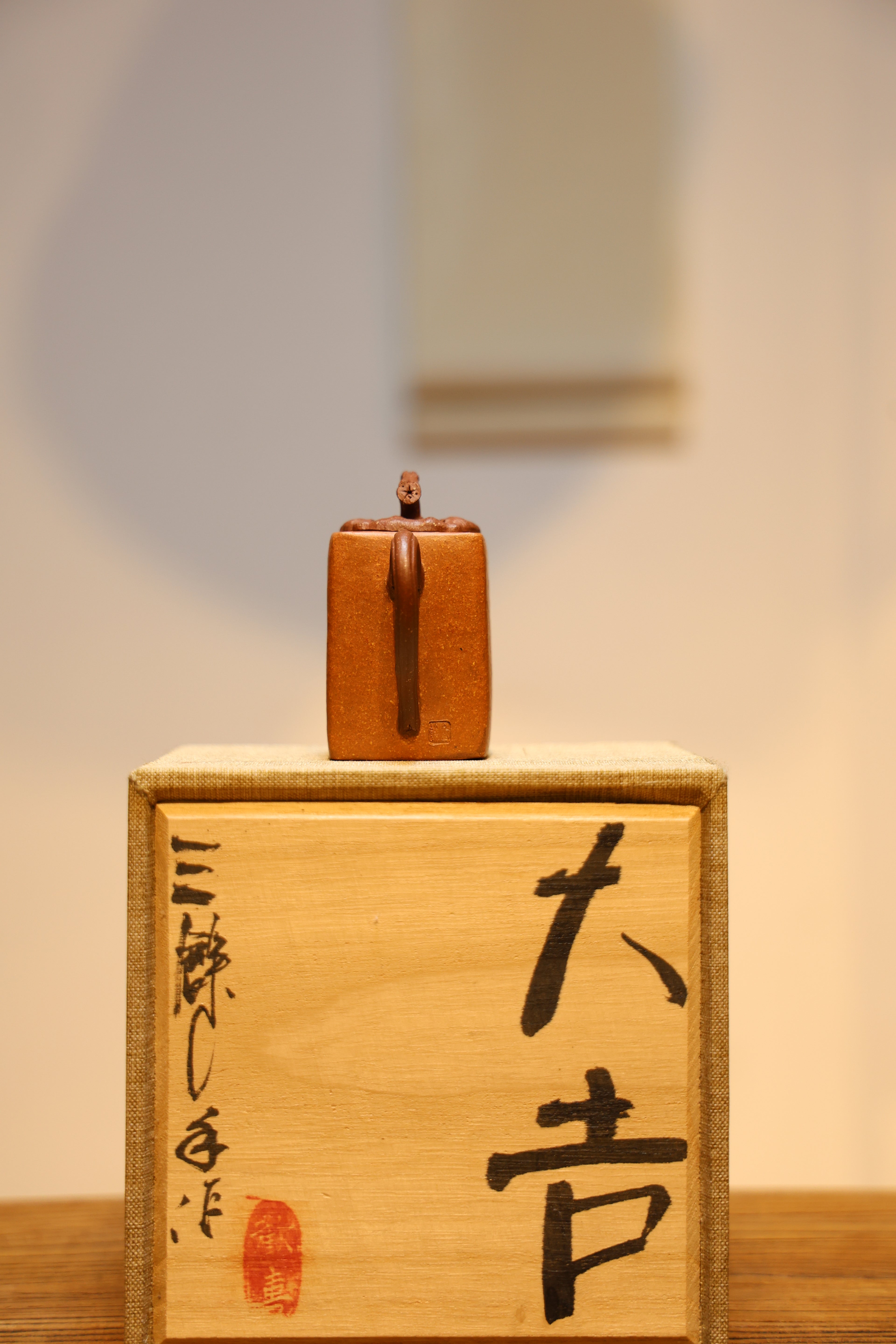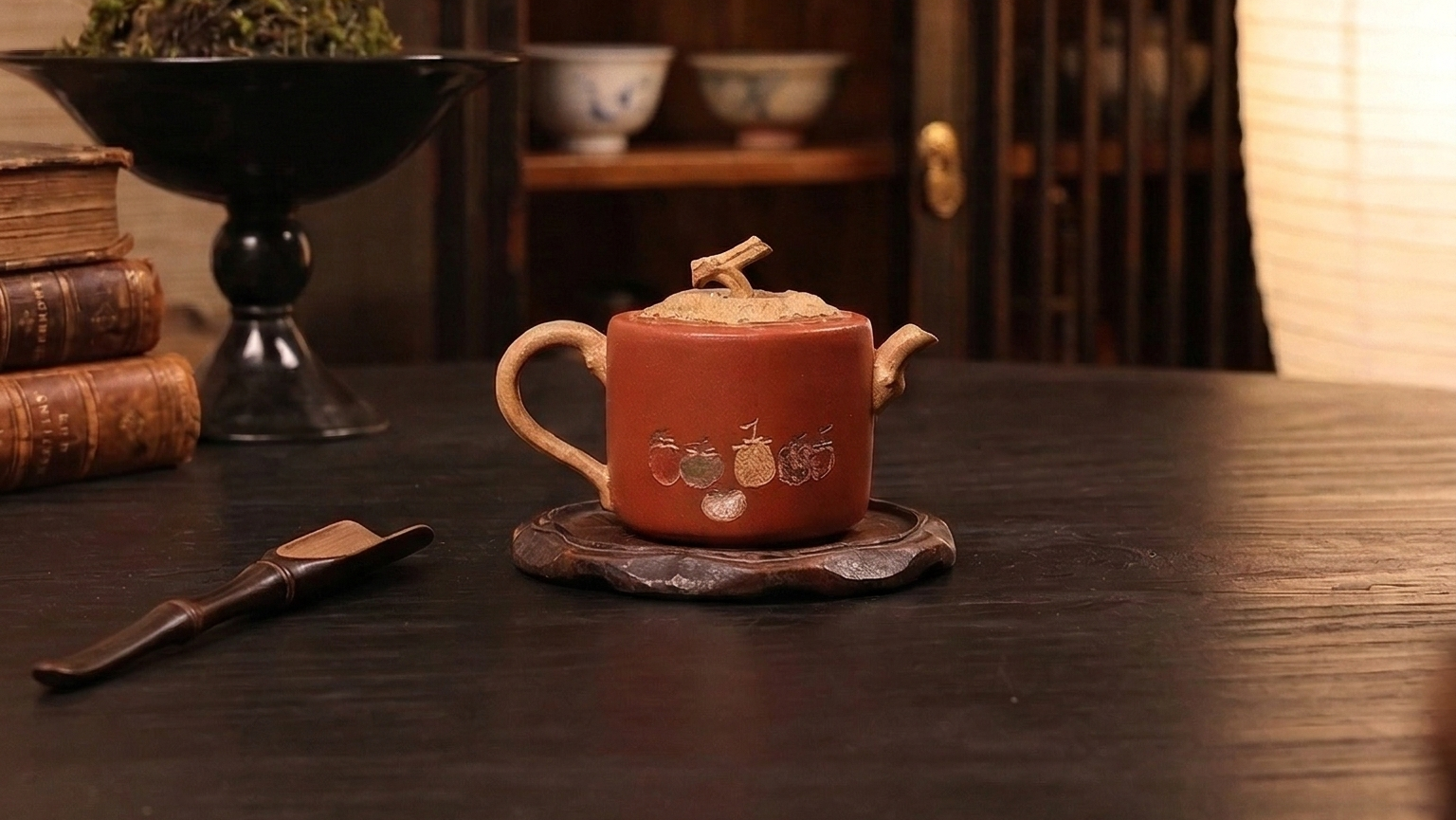
Enduring lineage expresses Yixing clay vessels within eras,
Manifesting rare features drawn within indigenous aubergine particles, those earthenwares gain a luster amid employment, refining bouquet released from extracted beverages.
Discovering Yixing Earth: Detailed Insights into Zisha
Countless connoisseurs recognize the unique texture of Yixing mulberry clay, a linchpin of conventional Chinese porcelain. Deriving from the Yixing region of Jiangsu province, this unique clay possesses an complex mineral makeup, in order that furnishes excellent qualities to the executed pots. Forms within Zisha, including Bing Mud, Duan Ni Mud, and Jiang Xi Mud, each demonstrates specific tints, consistencies, and firing traits, determining the diffusibility and the terminal aroma evolution of the concoction.
Asiatic Vessel Traditions: Interpreting Technique
Sino teapots embody more mere jars for beverage; they represent centuries of customary expertise. From the iconic Yixing clay variations, respected for their transpiring nature which adds distinctive nuances to the brew, to the fine porcelain from Jingdezhen, each piece unfolds a tale of artistry. The construction process is an intricate task, often handed over through bloodlines of masters. These experts use historic methods such as hand-building, sculpting on wheels, and adorned, demonstrating profound reverence for the component and the practice itself. Imagine the effort invested in each piece as a symbol of Chinese tradition legacy.
- Eastern clay urns: a famous assortment.
- Elite ceramic teapots: celebrated for their fine design.
- Sculpting techniques: a difficult yet fulfilling procedure.
Fine Purple Vessel Upkeep: Preserving Your Precious Object
Proper preservation of your notable Yixing Zisha pot is fundamental to boosting its longevity. Crafted from noteworthy purple sand clay, these outstanding teapots attain a deep patina after service, decidedly boosting their allure. Avoid cleansers; a careful rinse with lukewarm moisture is efficient. Steer clear of hot water for scrubbing the teapot, as it may break down its structure. Allow it to dry naturally away from bright natural light. Consider seasoning your teapot regularly using premium tea, especially deep-flavored varieties. Here is a brief manual:
- Wash off with warm fluid.
- Stay away from solvents.
- Give it to dry naturally.
- Condition with excellent tea.
Roots of Yixing Teapots: Initial Phases
The saga of Yixing teapots arises modestly during the Ming dynasty, approximately the 16th period. Initially, these pots were not the cherished artifacts they are acknowledged nowadays. They were created by territorial potters using the particular purple clay obtained solely in the Yixing vicinity. These early artworks were principally utilitarian, created for habitual utilization and often unpretentious in layout. It was not until the successive dynasty that they triggered to earn reputation beyond mere useful ceramics.
Picking the Proper Zisha Teapot: A Fundamental Explanation
Starting the field of Yixing teapots can be formidable, but never fearing! For beginners, the primary factor is understanding the mud. Certified Yixing clay is prized for its breathability, allowing the teapot to hold the tea's taste over time, improving every developing session. Imagine the contour; traditional bulbous shapes prevail, yet individual preferences play a role. Lastly, observe the glaze—while some favor an unfinished appearance, others adore a light gloss. Take your time in the pick process—this is an investment in a adored piece of craft.
Yixing Teapots and Their Importance on Chinese Infusion Tradition
Zisha pitchers, emerging from Yixing, China, have profoundly influenced long-standing Chinese liquid culture. These Yixing clay teapots, prized for their identifiable pigment, feel, and exceptional ability to impart a subtle note to the infusion, stand as more than mere ware; they are valued treasures and symbols of distinction. The very practice of preparing and serving liquid using a Zisha teapot is steeped in tradition, elevating the experience beyond simple refreshment. Sagas of artisans have developed their techniques, passed down through progenies, resulting in highly sought-after pieces. Consequently, Zisha teapots are frequently gathered, playing a crucial part in cultivating local appreciation for aesthetics and the ceremony of beverage ceremonies.
- Peculiar Clay Composition
- Imparting Subtle Flavor
- Exquisite Craftsmanship
Identifying Original Valuable Regional Teapots
Securing a genuine Yixing teapot can be a fulfilling experience, but the environment is often infested with frauds. Separating between Yixing Teapot a original antique and a modern reproduction requires detailed inspection. Key hints include the clay's rich brown shade, often displaying streaked surfaces, and the missing of modern roasting imprints. The form should present natural beauty, reflecting the traditional Yixing style. Finally, investigating the manufacturer's mark is important to verify realness against documented records.
- Assess the clay's makeup.
- Look for anomalies, indicative of artisan quality.
- Request an advisor for confirmation.
Purchasing Native Teapots: A Thorough Manual to Ceramics Awareness
The realm of Chinese Zisha earthenware shows a outstanding opportunity for knowledgeable buyers. Gradually, the appraisal of these skilled artifacts is influenced by several conditions, such as the level of material, the proficiency of the producer, the time-honored notability, and, naturally, the recent attention. Beginners should concentrate on learning about the various species of Zisha clay—such as Ice River, Tranquil Vessel, and Scarlet Earth—and studying the properties linked to each. Diligent review of the pot's design, hue, and mark is additionally essential to make competent considerations when investing.