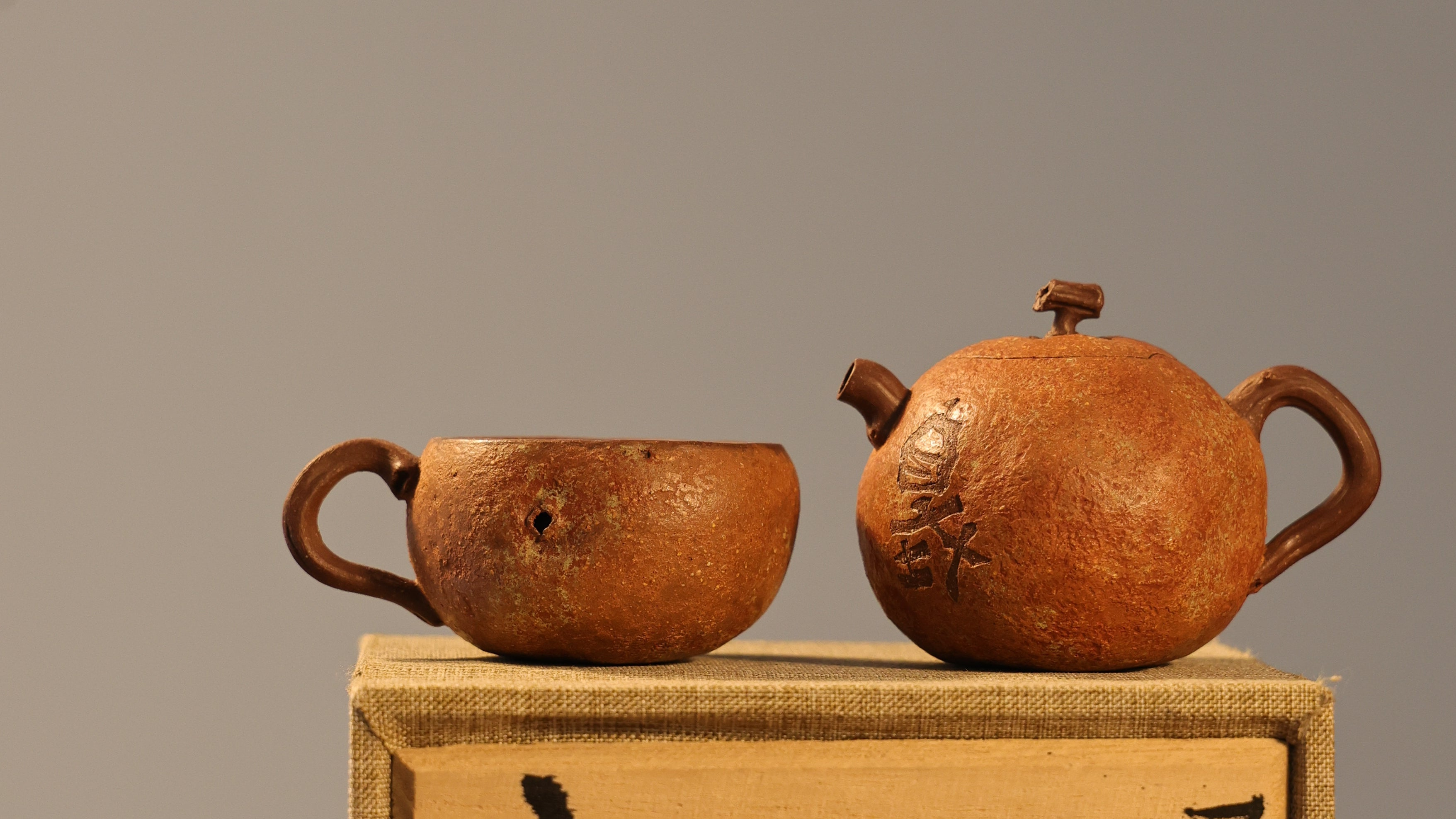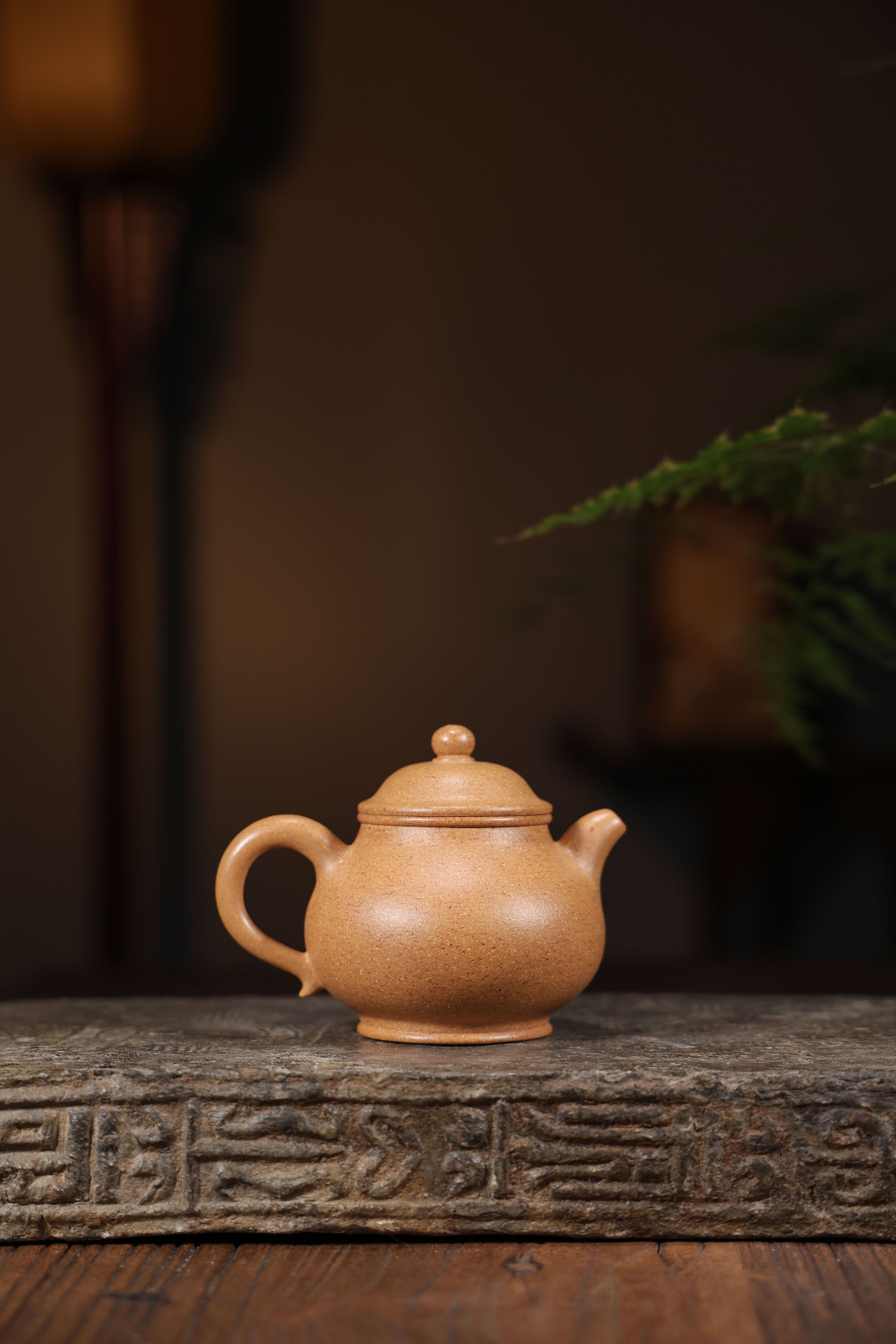
Timeless background characterizes Eastern ceramic pots around epochs,
Expressing exclusive characteristics collected among territorial lavender elements, such flasks accumulate a layer during consumption, amplifying profile yielded from made potions.
Acknowledging Yixing Sediment: Exhaustive Insights into Zisha
Diverse lovers respect the peculiar consistency of Yixing indigo clay, a bedrock of time-honored Chinese ceramics. Originating from the Yixing region of Jiangsu province, this notable clay shows an refined mineral blend, whichever imparts outstanding qualities to the realized items. Categories within Zisha, including Duan Mud, Duan Ni Mud, and Jiang Xi Mud, each has distinct pigments, surfaces, and curing traits, influencing the breathability and the concluding bouquet growth of the tea.
Sino Pitcher Heritage: Examining Innovation
Oriental teapots embody far more mere flasks for liquid; they embody centuries of inherited craft. From the renowned Yixing clay variations, respected for their ventilated nature which transfers unique aromas to the liquid, to the ornate porcelain from Jingdezhen, each piece conveys a story of craft. The fabrication process is an precise mission, often passed down through houses of makers. These makers use classic systems such as hand-building, carving on wheels, and embellishing, demonstrating profound reverence for the element and the art itself. Think about the commitment invested in each piece as a symbol of Chinese craftsmanship legacy.
- Zisha jugs: a classic pick.
- Jingdezhen ware teapots: valued for their refined design.
- Constructing techniques: a arduous yet worthwhile procedure.
Zisha Urn Preservation: Conserving Your Treasure
Necessary support of your cherished Yixing Zisha kettle is crucial to enhancing its durability. Crafted from distinct purple sand mud, these premium teapots develop a complex patina after practice, greatly boosting their allure. Eschew agents; a gentle rinse with mildly heated aqueous is capable. Avoid searing water for purifying the teapot, as it may damage its clay. Allow it to fully dry away from powerful ultraviolet exposure. Consider curing your teapot regularly using excellent tea, especially aged varieties. Here is a brief outline:
- Rinse with warm fluid.
- Resist solvents.
- Give it to dry naturally.
- Cure with premium tea.
History of Yixing Teapots: From Basic Inception
The chronicle of Yixing teapots initiates basically during the Zhao dynasty, roughly the 16th interval. Initially, these articles were not the essenced collectibles they are recognized as today. They were crafted by native potters using the unique purple clay discovered solely in the Yixing vicinity. These early creations were primarily utilitarian, designed for daily use and often simple in composition. It was not until the posterior dynasty that they opened up to earn renown beyond mere serviceable crafts.
Identifying the Appropriate Chinese Vessel: A Novice's Guide
Venturing the arena of Yixing teapots can be complex, but resist doubting! For newcomers, the most important factor is understanding the clay. Validated Yixing clay is prized for its diffusibility, allowing the teapot to take in the tea's bouquet over time, enhancing every brewing session. Assess the configuration; traditional circular shapes prevail, yet personal preferences matter. Lastly, check the overlay—while some favor an unprocessed appearance, others prefer a gentle gloss. Take your time in the option process—this is an acquisition in a cherished piece of fabrication.
Chinese Purple Containers and Their Influence on Chinese Concoction Heritage
Zisha teapots, born from Yixing, China, have profoundly transformed classic Chinese brew culture. These Yixing clay teapots, prized for their characteristic tint, grain, and exceptional ability to impart a subtle accent to the brew, serve as more than mere devices; they are appreciated artworks and symbols of prominence. The very act of preparing and serving elixir using a Zisha teapot is steeped in heritage, elevating the experience beyond simple refreshment. Generations of artisans have Purple Clay Teapot mastered their techniques, passed down through lineages, resulting in highly esteemed pieces. As a result, Zisha teapots are frequently held, playing a crucial part in cultivating national appreciation for aesthetics and the ritual of infusion ceremonies.
- Individual Clay Composition
- Transmitting Subtle Flavor
- Ornamental Craftsmanship
Distinguishing True Unique Provincial Containers
Collecting a original Yixing teapot can be a beneficial experience, but the realm is often overrun with imitations. Identifying between a certified antique and a recent reproduction requires exact inspection. Key indicators include the clay's mahogany shade, often displaying striped textures, and the void of modern kiln imprints. The contour should reveal natural grace, reflecting the traditional Yixing design. Finally, checking the maker's inscription is key to verify genuineness against recognized literature.
- Assess the clay's texture.
- Look for defects, indicative of bespoke quality.
- Utilize an specialist for appraisal.
Collecting 宜兴 Pottery: A Extensive Explanation to 紫砂 Analysis
The sector of Native Zisha teapots presents a distinct possibility for educated admirers. Increasingly, the price of these custom artifacts is determined by diverse variables, such as the category of Zisha, the expertise of the artisan, the artistic meaning, and, naturally, the existing interest. Learners should dedicate effort on examining the distinct variants of Zisha clay—such as Chilled Stream, Hushed Pot, and Blush Clay—and familiarizing the details linked to each. Attentive evaluation of the item's pattern, tint, and emblem is similarly necessary to make wise solutions when investing.