Launching DJI drone distributor Australia
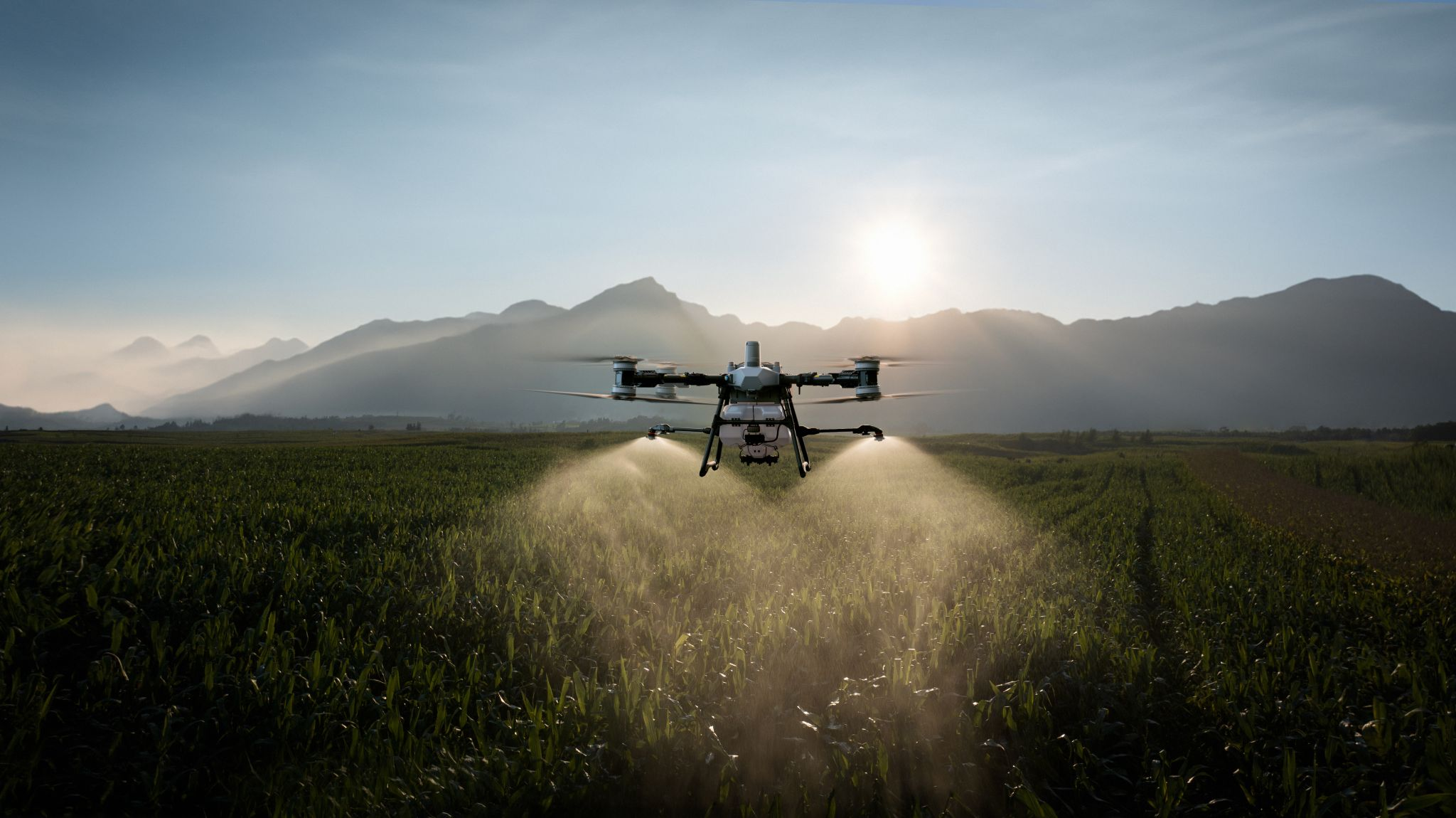
Each DJI Agras represents a significant shift in current farming processes. Such high-tech robotic flyers are manufactured to meticulously deliver chemicals and other essential elements to grounds. Applying exact methods, the Agras platform cuts personnel expense, enhances results, and stimulates green farming protocols. Planters can now obtain better fidelity and area in their cultivation efforts efforts thanks to this groundbreaking improvement.
Agricultural Drones: A Cultivator's Handbook to the DJI Agras Portfolio
Each DJI Agras series features a major step forward in precision horticulture innovation, equipping cultivators a powerful apparatus for optimizing growth returns and minimizing operational fees. These flyers are particularly manufactured for distributing treatments, delivering a expedited and precise process than conventional practices. The Agras series encompass various styles, each intended for different harvest zones and plant varieties. Provided is a concise overview:
- T configuration: Known for their minimal composition and mobility, appropriate for modest fields and challenging terrain.
- P variants: Sturdy machines created for broad areas, allowing elevated payload and distribution volume.
- V versions: Constructed for vine fields management, with specialized features supporting mobilization in close-packed environments.
At last, incorporating a DJI Agras unmanned vehicle into your company can finally create significant benefits in effectiveness and ecological care. Proper education and compliance with governmental requirements are paramount for dependable and effective use.
Enhancing Production: How DJI Agras-like Diffusing Flying Machines are Modernizing Plant Farming
Comprehensive agricultural sector is experiencing a significant transformation, motivated by advanced systems. Dispersing aerial vehicles, especially varieties like the DJI Agras, are changing how producers operate their crops. These machines provide unprecedented precision in applying chemical agents, constraining waste and raising growth growth. Through self-piloting, they operate over larger plots more expeditiously and with improved exactness, contributing to increased crop gains and a conservation-oriented way of progressive farming processes.
DJI crop drones vs. Classic Application: Operating Benefits and Natural Perks
Producers are increasingly exploring unmanned aerial systems as an other to legacy emission procedures. The effectiveness improvements are exceptional; drones can service land greatly hastened than conventional equipment, minimizing manpower expenditures. Moreover, focused application strengths limit chemical overuse, leading to a scaled-down carbon footprint and encouraging more green farming techniques.
Enhancing Robotic Adoption: Applied Implementations of the the Agricultural drones
Certain DJI Agras lineup is rapidly building traction across diverse branches, indicating its aptitude for changing agrarian practices. From pinpointed deployment of fertilizers in huge farmlands to competently tracking plant wellness, and amplifying outputs, the Agras solution confers a substantial upper hand over established approaches. Instances present its deployment in grain planting across Asian continent, fruit farms in Western hemisphere, and soy farming in South Latin America, demonstrating its adaptability and international reach.
Namely Future Touching on Farming: Exploring The Capabilities Pertaining to Agricultural Aerial Platforms
Every agrarian sphere is prepared for a significant change, mainly owing to the rising use by way of robotic tools. Specific leading apparatus offer outstanding abilities, including precision mapping of farms, specific spraying of fertilizers and agrochemicals, and comprehensive monitoring of vegetation status. Furthermore, they provide lessening of labor expenses and improvement of overall crop yields, ultimately reshaping the environment of leading-edge farming strategies.
Leading-edge Culturing: Maximizing Growth Medium Distribution with The Agras drones
Contemporary specific agrarian is remodeling how cultivators manage nutrient broadcasting. The a Agras lineup of automated UAVs carries unparalleled correctness and effectiveness in mineral additive delivery. Harnessing advanced measurement mechanisms, these remote-controlled drones enable agriculturalists to administer fertilizers precisely where critical, curtailing loss and improving harvest volume. This strategy not only upgrades plantation profitability but also sustains eco-friendly crop management systems.
Considering a DJI Agras: Fees, Upsides, and Financial Gains for Planters
Procuring a DJI Agras aerial machinery constitutes a major financial decision for many cultivators, but the possible returns can warrant the first cost. The complete cost includes the device acquisition charge, ongoing upkeep payments, and education outlays. However, these fees are often compensated by improved yield, reduced personnel charges, maximized herbicide use, and amplified production. Ultimately, the yield depends on factors like agricultural site area, plantation selection, deployment, and territorial handling circumstances, with accurate preparation and information examination critical for increasing income and obtaining a good pecuniary effectiveness.
Past Treatment : Enhancing the Handling of this Agras drones in Current Plant Cultivation
Regardless at the start recognized for the crop spraying abilities, the DJI Agras shows a larger potential amid modern plantation fields. Crop specialists are now exploring how these versatile devices can be deployed for tasks more than simple crop input broadcasting. This consists of sharp seeding, deploying cover soil cover, and even primary crop development monitoring via innovative sensor technology, pioneering a new era in efficient agriculture methods.